Trying to choose between a condo, a rowhouse, and a triple-decker in Boston? You are not just picking a home style. You are choosing how much space, control, upkeep, and flexibility you want in one of the country’s most distinct housing markets. If you understand how these options differ in Boston, you can make a smarter move and avoid surprises later. Let’s dive in.
Why the choice matters in Boston
In Boston, these labels do not all mean the same thing. A condo is a legal form of ownership, while a rowhouse and a triple-decker are building types. That difference matters because the right fit often comes down to how you want to live, what level of responsibility you want, and whether you hope to generate rental income.
Boston also has strong neighborhood patterns. City neighborhood pages point to Beacon Hill, Back Bay, Bay Village, and the South End as classic rowhouse areas. Dorchester, East Boston, and Mattapan are more closely tied to the city’s well-known triple-decker housing stock.
What a condo means in Boston
A condo gives you private ownership of your unit plus a shared interest in the building’s common areas. In Massachusetts, condominiums are governed by master documents, deeds, bylaws, and Chapter 183A. That means your ownership rights and responsibilities are shaped not only by the home itself, but also by the association documents.
For many buyers, the biggest appeal is convenience. Condo living often means less day-to-day maintenance because building systems and common spaces are usually managed collectively. At the same time, that convenience comes with rules, fees, and shared decision-making.
Condo pros to consider
- Often less hands-on maintenance
- Common-area insurance is typically handled by the association
- Can be a more accessible entry point in Boston by purchase price
- Good fit if you want a unit rather than a whole building to manage
Condo tradeoffs to watch
- Monthly condo fees are usually separate from your mortgage
- Rental rules can be limited by the condo documents
- Alterations may need association approval
- Shared systems and common spaces mean less direct control
What a rowhouse means in Boston
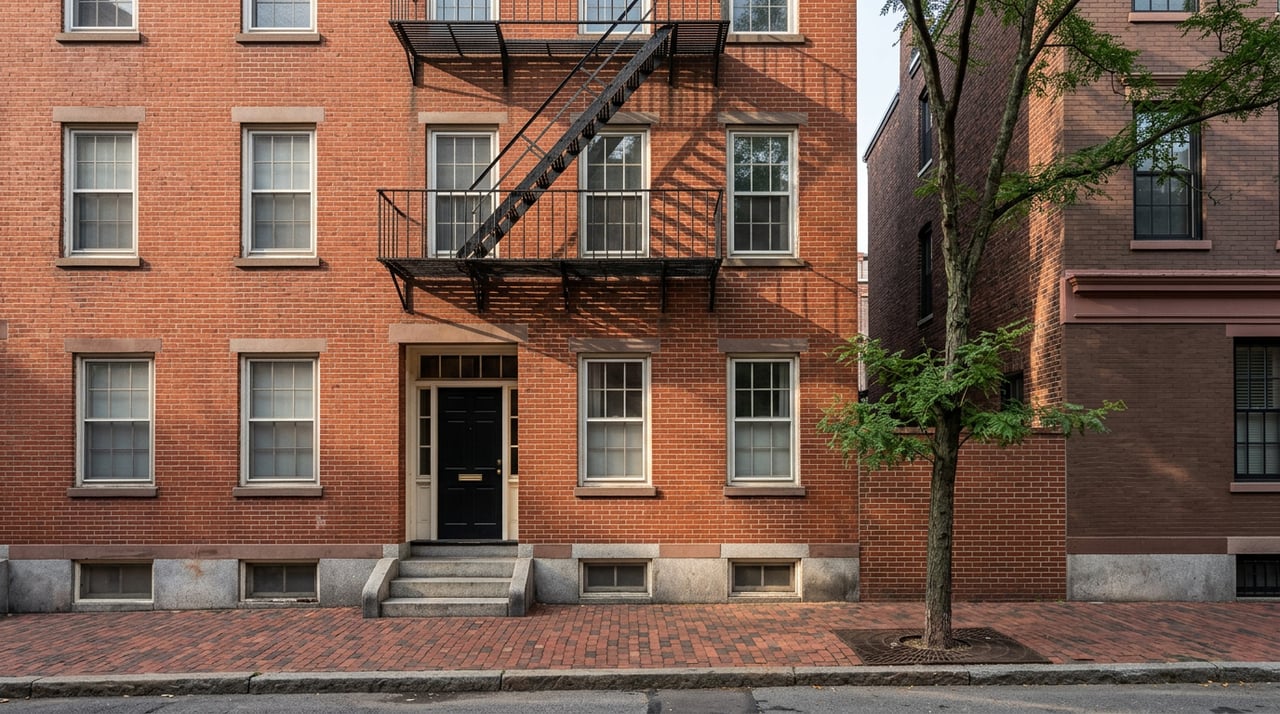
A rowhouse is usually an attached home, often brick or brownstone, found in some of Boston’s most recognizable historic neighborhoods. Official Boston neighborhood pages describe Beacon Hill for its brick row houses, narrow streets, brick sidewalks, and decorative details. The South End, Back Bay, and Bay Village are also strongly connected to this housing type.
If you love classic city character, a rowhouse can be especially appealing. You usually get more control over the entire home than you would with a condo unit. You also get the feel of attached urban living with more privacy than many condo buildings offer.
Rowhouse strengths
- Strong historic character and curb appeal
- More control over the home than a typical condo
- Often better privacy than a multi-unit building
- Classic fit for buyers who want an attached city home
Rowhouse tradeoffs
- Exterior changes may require review in certain historic districts
- Maintenance is generally more your responsibility
- Purchase price can vary widely by neighborhood and condition
- “Townhome” pricing data can be helpful, but not every attached home is the same thing as a traditional Boston rowhouse
Historic review matters
If you are looking in places like the South End or Back Bay, exterior work may need approval before you begin. In the South End Landmark District, proposed work at front facades, visible rooftops, and some side or rear elevations must be reviewed. In Back Bay, proposed exterior changes also go through design review.
That does not mean rowhouse ownership is harder. It does mean you should factor timing and approval into any renovation plans, especially for windows, roof decks, façade changes, or other visible updates.
What a triple-decker means in Boston
The triple-decker is one of Boston’s most iconic building types. The city describes it as a practical multifamily form that emerged from the 1880s through the 1930s and created wealth-building opportunities for owners. It remains especially tied to neighborhoods like Dorchester, East Boston, and Mattapan.
A triple-decker is often the most hands-on option of the three. You are dealing with a small multifamily building rather than one unit. For some buyers, that added work is worth it because of the flexibility, extra space, or potential for rental income.
Triple-decker advantages
- Clearer path to rental income potential
- More flexibility for owner-occupants who want multiple units
- Can support multi-generational living needs
- Strong connection to Boston’s traditional housing stock
Triple-decker tradeoffs
- More operational responsibility than a condo or many rowhouses
- Rental properties must be registered annually in Boston
- Housing code compliance matters if tenants are involved
- Upkeep can be more demanding because you are managing a whole building
Comparing price and monthly cost
Purchase price is important, but it is not the whole story. Homes.com’s May 2026 Boston market report puts the median condo sale price at $625,000, the median townhome sale price at $602,500, and the median single-family sale price at $808,000. The same report lists the citywide median home sale price at $740,000.
That gives you a starting point, not a final answer. A rowhouse may fall into a broader townhome category in market data, while a triple-decker may be better compared against two-family or three-family properties. In Boston, the best comparison depends on whether you are buying a unit, an attached home, or a whole building.
Monthly costs can change the picture
A lower sticker price does not always mean a lower monthly payment. Condo fees are typically paid separately from the mortgage and can range from a few hundred dollars per month to more than $1,000. Loan pricing can also vary slightly for condos or homes with more than one unit.
That is why you should compare total monthly carry, not just the offer price. In many cases, taxes, dues, insurance, and maintenance responsibilities can shift which option feels most affordable.
Boston property taxes and the residential exemption
Boston’s FY26 residential tax rate is $12.40 per $1,000 of assessed value. Qualified homeowners who use the property as a principal residence may also benefit from the residential exemption, which saved $3,984.21 in FY26.
This matters whether you are considering a condo, rowhouse, or triple-decker. If you plan to live in the home as your principal residence, the exemption may help lower your tax burden. If you are buying strictly as an investment property, that exemption does not apply.
Maintenance, privacy, and control
This is where the decision often becomes personal. If you want less day-to-day upkeep and do not mind shared rules, a condo may feel easiest. If you want more autonomy and historic character, a rowhouse may be the better fit.
If you are focused on flexibility, extra units, or income potential, a triple-decker often rises to the top. The tradeoff is that more control usually comes with more responsibility. In Boston, that balance is often more important than the label on the listing.
Rental income potential in Boston
If rental income is part of your plan, triple-deckers usually stand out first. Boston has explicitly framed the triple-decker as a wealth-building housing type. For owner-occupants, 1-, 2-, and 3-family homes may also have an added path through Boston’s ADU rules, which allow one internal accessory dwelling unit for eligible owner-occupied properties.
That opportunity does not apply to condominiums, and LLCs are ineligible. So if flexibility and future income are key goals, some rowhouses and triple-deckers may offer options that most condos do not.
Condo rental potential is document-driven
Condos can still be rented, but you should not assume the rules are flexible. Massachusetts makes clear that condos are governed by their master documents and bylaws. That means rental caps, lease restrictions, and approval requirements may all come from the condo association.
If the building was converted from rentals, local condo-conversion rules may also matter in some situations. The key point is simple: condo income potential depends heavily on the documents.
Which Boston home type fits your goals?
The best choice depends on what you want your home to do for you. If you want a simpler ownership experience with less direct maintenance, a condo may be the most practical option. If you want classic Boston architecture and more control over your space, a rowhouse may be the right match.
If you want a property that could help offset costs through additional units, a triple-decker deserves a close look. It asks more of you as an owner, but it may also offer the most flexibility.
Questions to ask before you buy
Before you commit, make sure you get clear answers on the details that matter most in Boston.
- What do the condo documents say about fees, insurance, rentals, and alterations?
- If the property is in a historic district, what exterior work needs approval before it starts?
- Will the property qualify for Boston’s residential exemption if it is your principal residence?
- If rental income matters, is the property a 1-, 2-, or 3-family home that may qualify for an internal ADU?
- If tenants are already in place, is the property registered and compliant with Boston housing requirements?
A smart purchase in Boston is not just about finding the right square footage or street. It is about matching the ownership structure to your lifestyle, budget, and long-term plans. If you want help comparing condos, rowhouses, and triple-deckers across Boston neighborhoods, Zander Realty Group can help you sort through the numbers, the documents, and the day-to-day realities so you can buy with confidence.
FAQs
What is the difference between a condo and a rowhouse in Boston?
- A condo is a legal ownership structure for a unit with shared common elements, while a rowhouse is a building type, usually an attached home with more direct control over the full property.
Are triple-deckers common in Boston neighborhoods?
- Yes. Boston describes triple-deckers as one of the city’s most iconic building types, with strong examples in Dorchester, East Boston, and Mattapan.
Do Boston condos always cost less than rowhouses?
- Not always. Recent citywide market data shows different median prices by property type, but monthly costs can shift the comparison because condo fees, taxes, insurance, and loan terms all affect affordability.
Can you rent out a Boston condo?
- Sometimes, but the answer depends on the condo association’s master documents and bylaws, which may limit or regulate rentals.
Do Boston rowhouses have renovation restrictions?
- Some do. In historic areas like the South End and Back Bay, certain exterior changes may require review before work begins.
Are triple-deckers good for owner-occupants in Boston?
- They can be, especially if you want extra space or rental income potential, but they usually involve more management, upkeep, and compliance responsibilities than a condo.
Does the Boston residential exemption apply to condos, rowhouses, and triple-deckers?
- It can apply to any of these property types if the home qualifies as your principal residence, but it does not apply to an investment property.