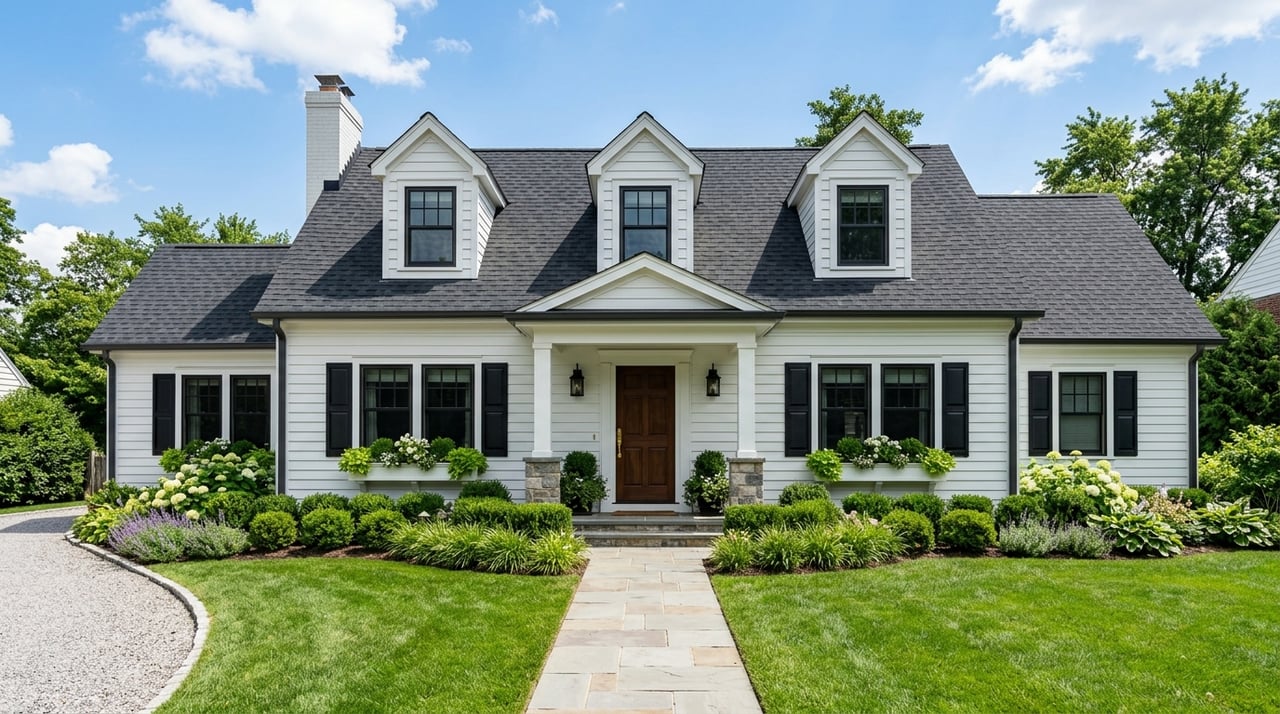
Thinking about leaving the city but not ready for a huge suburban leap? If you want more space, a more manageable price point than some nearby towns, and a place that still keeps you connected to Boston, Stoughton deserves a closer look. For many first-time suburban buyers, the real question is not whether suburbia is appealing. It is whether a town offers the right balance of cost, commute, housing options, and everyday convenience. Let’s dive in.
Why Stoughton stands out
Stoughton sits in Norfolk County and has 29,281 residents, with a 74.1% owner-occupied housing-unit rate. Recent Census data also puts the median value of owner-occupied housing units at $523,800. That points to a town where homeownership is common and where buying can feel more realistic than in some higher-priced nearby suburbs.
The town’s housing plan describes Stoughton as a maturing suburb. In practical terms, that means you are not looking at a brand-new community built all at once. Instead, you get an established town with a broader housing mix and a lot of homes that come with both character and maintenance considerations.
Housing options in Stoughton
One reason Stoughton can work well for a first suburban move is its range of housing types. According to the town plan, 61.1% of housing units are detached single-family homes, while the rest include attached homes, 2-unit buildings, 3-4 unit buildings, and small to mid-size apartment buildings. That gives you more than one path into the market.
If you are moving from a Boston rental or condo, that variety matters. You may be able to start with a condo or smaller single-family home instead of stretching immediately for a larger detached property. It also means you can often compare different lifestyles and budgets within the same town.
The town plan also notes that 23% of housing units have four or more bedrooms. So if your first suburban move is about buying room to grow, Stoughton has options for that too. It can work as an entry point now and still leave space for your next chapter.
Expect older homes and tradeoffs
Stoughton’s housing stock is not especially new. The town says 52.7% of the housing stock was built before 1969. That does not automatically mean a home is outdated, but it does mean many buyers should go in expecting a mix of updates, deferred maintenance, and renovation potential.
For some buyers, that is a plus. Older homes can offer larger lots, more established neighborhoods, and a chance to build equity through improvements over time. For others, it means budgeting carefully for repairs, systems, or cosmetic upgrades after closing.
What prices look like
Stoughton lands in an appealing middle ground for many buyers priced out of nearby towns. In March 2026, Redfin reported a median sale price of $525,000, with homes receiving about 3 offers on average and selling in around 24 days. Zillow reported different metrics, including an average home value of $602,514 and a median list price of $589,983, which is a reminder that list prices, values, and sale prices are not the same thing.
What matters most is the range. Recent reported sales included a condo at $387,500, a 2-bedroom single-family home at $490,000, a condo or townhome at $569,000, and detached homes from about $680,000 to $715,000. That spread shows Stoughton can serve both buyers looking for a first foothold and buyers trying to gain more space.
How Stoughton compares nearby
If you are weighing towns south of Boston, Stoughton often looks more approachable than several nearby alternatives. Recent market snapshots put Randolph at $570,000, Easton at $627,500, Norwood at $775,000, Canton at $820,000, and Sharon at $922,000. Brockton came in lower at $475,000.
That makes Stoughton a value-oriented middle option. It is not the least expensive town in the area, but it can offer a more attainable entry point than several classic inner-suburban and South Shore choices. For a first suburban move, that balance can be exactly what makes the numbers work.
Monthly costs matter too
Price is only part of the affordability picture. Stoughton’s FY26 residential tax rate is $11.81 per $1,000 of valuation. When you build your budget, you want to look beyond the mortgage and include property taxes, insurance, utilities, and likely maintenance, especially if you are buying an older home.
That broader budget view is important in a town like Stoughton. A home that looks affordable on the purchase price alone can feel different once you factor in recurring ownership costs. The good news is that planning for those numbers early can help you shop with more confidence.
Commuting from Stoughton
Commute is often the make-or-break issue in a first suburban move. Stoughton’s master plan says Route 24 is the main limited-access highway, connecting the town to I-93 to the north and I-495 and Rhode Island to the south. Routes 27, 138, and 139 form the main arterial network through the town center.
The same plan also says those roads are often congested and exceed capacity. So while Stoughton offers strong regional road access, you should not assume an easy drive at every hour. If you are commuting by car regularly, it is smart to think through your specific route and timing.
Is public transit enough?
Stoughton does have commuter rail access. The MBTA schedule identifies Stoughton station on the Providence/Stoughton Line, with South Station departures throughout the day. For some Boston-bound buyers, that is a real plus.
Still, the overall pattern is more car-first than transit-first. Stoughton reads as a suburb where rail is helpful, but driving remains a big part of daily life. If your ideal move depends on walking everywhere and relying on transit for most errands, Stoughton may not check every box.
Everyday life in town
A first suburban move is not just about the house. It is also about whether daily life feels easier once you get there. Stoughton has several practical amenities that can help with that transition.
Stoughton Public Schools operates a high school, a middle school, five elementary schools, and the Jones Early Childhood Center. The public library offers free Wi-Fi, public-access computers, and printing. The town is also collecting public input for its 2026 open-space plan, which evaluates parks, sports fields, and conservation land.
Open space and breathing room
One of the more appealing parts of Stoughton’s identity is its access to open space. The town’s master plan reports about 2,000 acres of protected open space, or 19.1% of the town area. For buyers who want a less urban feel, that can be a meaningful quality-of-life benefit.
More open space can translate into a little more breathing room in your day-to-day routine. It can also support the feeling many buyers are after when they make their first move to the suburbs: less density, more outdoor access, and a change of pace from city living.
How walkable is Stoughton?
Stoughton has a downtown core centered around the train station and a major road junction. That gives the town a local center and some sense of place. But the town planning documents suggest it is not a deeply walkable village-style environment.
That distinction matters. If you want a suburban lifestyle with amenities nearby, Stoughton can make sense. If you want a highly walkable, transit-dominant daily routine, you may find the town more car-dependent than expected.
Who Stoughton fits best
Stoughton is often a strong match if you are a Boston-area renter or condo owner looking for your first suburban step. It works especially well if you want more square footage, a mix of housing types, and a price point that may be lower than towns like Canton, Norwood, or Sharon.
It can also suit buyers who are comfortable with older housing stock and the tradeoffs that come with it. In exchange, you may get more flexibility in your search and a town that supports both starter-home and move-up possibilities.
When Stoughton may not be right
No suburb is right for everyone. If your top priority is a highly walkable environment where transit drives your routine more than your car does, Stoughton may feel too auto-oriented. The road network, commute patterns, and town layout all point to a more traditional suburban setup.
It may also be less appealing if you want newer housing with fewer maintenance unknowns. Because so much of the town’s housing stock predates 1969, buyers should be ready to evaluate condition carefully and plan for updates where needed.
Final take on a first suburban move
For many buyers, Stoughton hits a practical sweet spot. It offers an established suburban setting, a wider range of housing types than some buyers expect, and pricing that often lands below several nearby competitors. It is not the flashiest or most transit-centered option, but it can be a smart, balanced first move if your priorities are space, value, and flexibility.
If you are comparing towns and trying to figure out what actually fits your budget and lifestyle, local context makes all the difference. The team at Zander Realty Group can help you weigh Stoughton against your other options and make a confident next move.
FAQs
Is Stoughton a good town for a first suburban move near Boston?
- Stoughton can be a strong option if you want more space, a range of housing types, and pricing that is often lower than nearby towns like Canton, Norwood, and Sharon.
What types of homes can you buy in Stoughton?
- Stoughton has detached single-family homes, attached homes, 2-unit buildings, 3-4 unit buildings, and small to mid-size apartment buildings, which gives buyers several entry points.
Are homes in Stoughton older?
- Yes. The town reports that 52.7% of the housing stock was built before 1969, so buyers should expect a meaningful share of older homes and the upkeep that can come with them.
How much do homes cost in Stoughton?
- Reported recent numbers show a March 2026 median sale price of $525,000, with recent sales ranging from a condo at $387,500 to detached homes around $680,000 to $715,000.
Is Stoughton good for commuting to Boston?
- Stoughton offers commuter rail service on the Providence/Stoughton Line and strong road access, but the town is generally more car-first than transit-first and some main roads experience congestion.
Does Stoughton have parks and open space?
- Yes. The town’s master plan reports about 2,000 acres of protected open space, which equals 19.1% of the town area.
What should buyers budget for in Stoughton besides the mortgage?
- Buyers should also plan for property taxes, insurance, utilities, and maintenance. Stoughton’s FY26 residential tax rate is $11.81 per $1,000 of valuation.