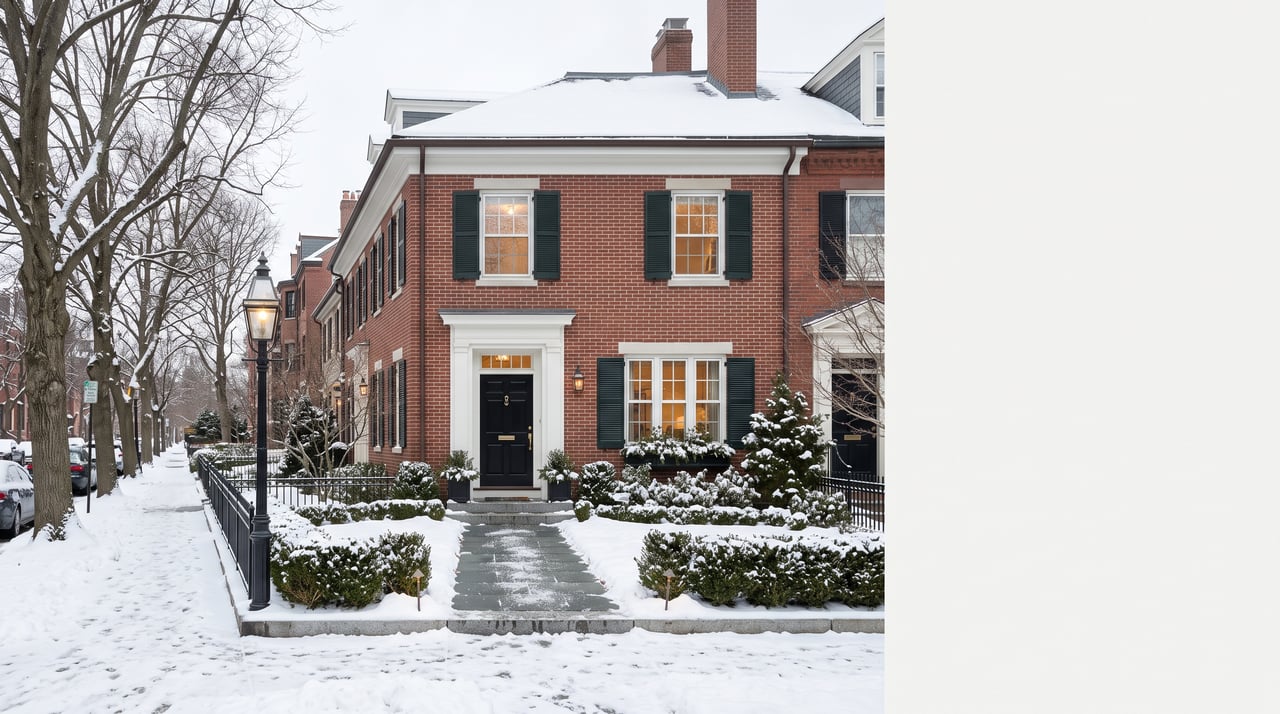
The old MBTA surface lot at North Quincy Station sat empty for years, used mostly for commuter parking. That lot is now being transformed into one of the largest redevelopment projects in the city's history: a plan for roughly 610 apartments, about 50,000 square feet of retail, and a parking garage with more than 1,600 spaces, most of it standing within a few minutes' walk of triple-deckers that have been renting for decades without competition from anything newer than a 1970s renovation.
That's the number an investor evaluating a Quincy multi-family purchase needs to hold next to the rent roll, not instead of it. The vacancy and rent story coming out of Quincy right now is genuinely good. The supply story landing on top of it is the part most underwriting spreadsheets don't have a line for.
The Story Everyone's Already Heard
Rent trackers pegged Quincy's early-2026 one-bedroom asking rents somewhere between $2,100 and $2,569, with two-bedrooms running $2,600 to $2,983 depending on the source and building type. Vacancy has stayed tight, and Quincy's mix of two-to-four family housing gives investors real inventory to work with: roughly 27 percent of the city's housing stock falls in that category, with another 34.2 percent in buildings of five units or more. Add Red Line access and Boston proximity and you get the pitch that's been circulating in investor forums and property management blogs all year. It's not wrong. It's also not the whole picture.
What's Actually Rising Three Blocks Away
Beyond the North Quincy Station project, a five-story mixed-use building broke ground in spring 2026 at the corner of Chestnut and Maple, adding about 100 apartments with ground-floor retail and restaurant space and a two-level garage. Down at the old Quincy Center Station lot, the structurally compromised parking garage came down years ago, clearing the site for future transit-oriented development that city planning documents still list as active, even if the construction timeline has moved. Smaller infill is happening too: a developer has proposed replacing a 24-hour CVS at Charles Circle with a five-story building carrying 12 apartments and ground-floor retail, ending one of the last single-story holdouts on that stretch of Cambridge Street.
None of this is speculative planning-board chatter. It's downstream of a downtown master agreement the city approved years ago with the private developer Street-Works, a framework built to let new private construction fund its own public infrastructure costs rather than the other way around. That agreement is finally producing physical buildings instead of just permits, and the buildings are landing in the same walkable radius where most of Quincy's small multi-family stock sits.
Why the Rent Number Isn't the Number That Matters
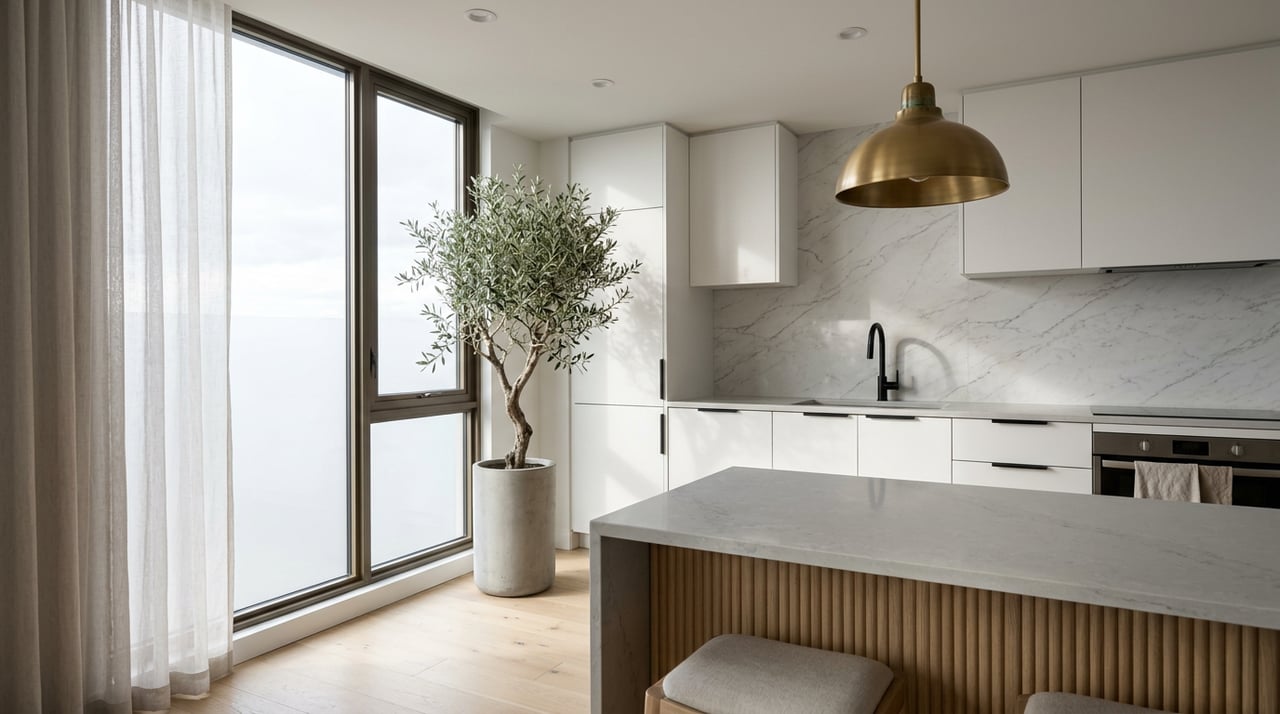
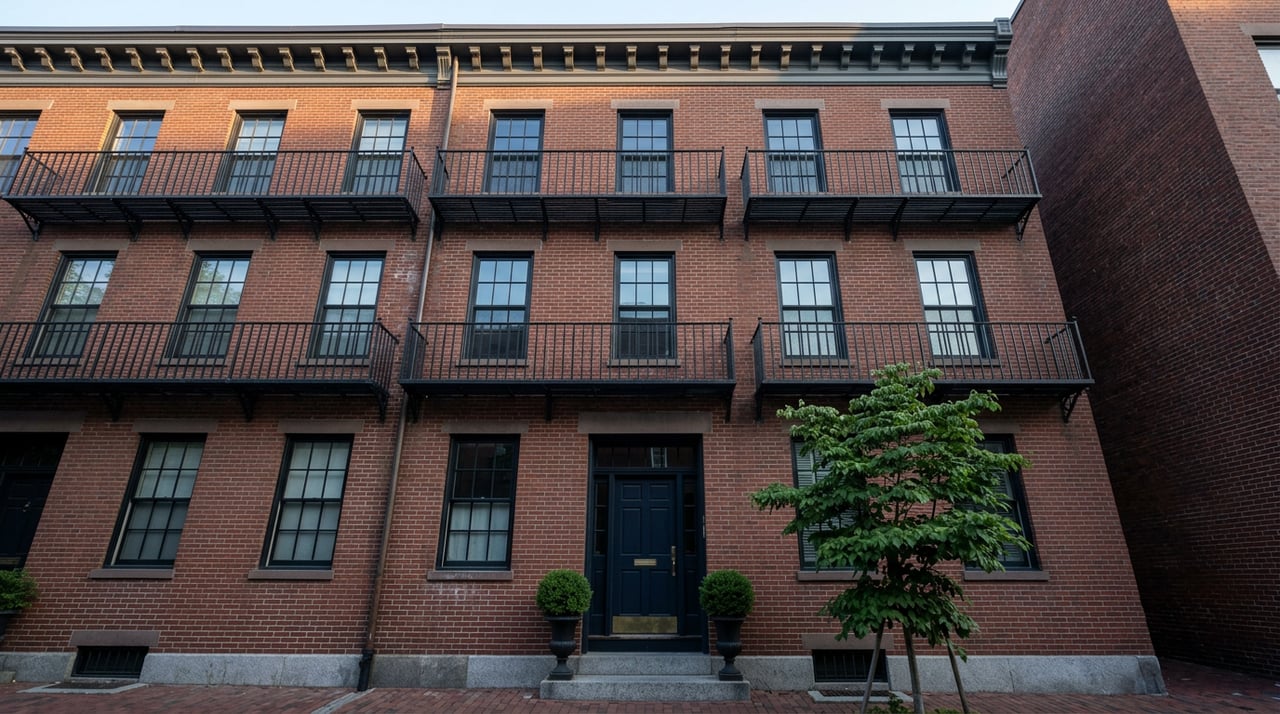
Here's the mechanism an investor actually needs to price in. A tenant choosing between an unrenovated triple-decker unit and a brand-new building with in-unit laundry, covered parking, and a retail-anchored ground floor isn't comparing square footage. They're comparing hassle. When the new unit sits a five-minute walk away and costs a few hundred dollars more, plenty of renters will pay the premium, and the older unit's asking rent has to adjust to compete rather than simply riding the citywide vacancy number up.
This isn't a new observation. Investors tracking the Quincy market years ago flagged the same risk when the earliest wave of downtown construction was still in the planning stage, worried that fresh product near Quincy Center would eventually pull rent growth away from older buildings nearby. What's different now is that the buildings they were speculating about are the ones actually going up in 2026, with the Chestnut and Maple project already under construction and the North Quincy site moving from plan to project.
For an owner sitting a mile or more from the Red Line corridor, this pressure is muted. For an owner counting on rent growth in a triple-decker two blocks from a new 600-unit building, it's the single biggest variable in the deal.
Quincy Isn't One Multi-Family Market
The citywide numbers flatten a city that behaves very differently block to block. Where a property sits relative to the new construction changes both the price you're paying and the risk you're taking on.
| Neighborhood | Typical Price Point (2026) | What You're Buying | Position Relative to New Supply |
|---|---|---|---|
| Wollaston | Condos $335K-$445K; multi-family listings $1.075M-$1.28M | Coastal Tudor, Colonial, and Cape stock near its own Red Line stop | Sits directly on the corridor, closest to the incoming units |
| Squantum | Single-family median $1.025M | Quiet peninsula, no Red Line stop of its own | Car-dependent and largely insulated from the T-corridor supply wave |
| Merrymount | Single-family median $794K | Residential streets away from the downtown core | Similarly removed from the new construction cluster |
| Germantown | Median sale $632K, up 7% year over year | 1940s-60s Cape stock in a close-knit, blue-collar neighborhood | Several miles from downtown retail and the nearest large grocery store, a value entry point but a longer commute for tenants |
| Marina Bay | Condos $349K-$789.5K | Waterfront, resort-style buildings | Its own submarket, distinct from Red Line renter demand |
An investor buying in Germantown or on the Squantum peninsula is underwriting a different risk than one buying two blocks from the North Quincy Station site. Neither is automatically the better deal. They're just not the same deal, and treating Quincy as a single number erases that difference.
The Underwriting Inputs That Actually Catch People Off Guard
Beyond the supply question, a handful of Quincy-specific facts change the math on paper before a single tenant moves in:
- Quincy's residential tax rate for fiscal year 2026 sits at $11.78 per $1,000 of assessed value, and Norfolk County's effective property tax rate runs around 1.09 percent, worth building into the pro forma from the first offer rather than the closing statement.
- The city's housing stock skews old: 37 percent of units were built before 1940, while only 3 percent went up in 2010 or later. That means most triple-deckers on the market come with real systems, roof, and code-compliance questions rather than cosmetic ones.
- Short-term rental operators face registration, inspection, and primary-residence requirements with zoning limits and fines for noncompliance, which rules out the Airbnb-arbitrage plan for most small multi-family buyers here.
- Two-to-four unit buildings still qualify for conventional residential financing rather than commercial underwriting, which keeps down payments and rate structures more favorable than they'd be on a five-plus unit building, but only if the appraisal and rent roll hold up under scrutiny.
Where Prices Actually Sit Right Now
Pricing itself has cooled slightly from its spring pace. Quincy's median sale price ran around $610,000 in March 2026, with homes selling in about 20 days. By August, the median list price had moved to roughly $705,000, but days on market had stretched to 34, a signal that the frantic bidding-war pace of earlier in the year has eased even as sticker prices held up. One year-to-date count of 2026 closed transactions showed single-family homes averaging $809,000 across the sales tracked so far, up from $731,000 a year earlier, while condos closed around $529,000 against $517,000 the prior year. The gap between single-family strength and condo softness is its own signal: buyers are still competing hard for houses with land, while the condo segment, more exposed to new-construction competition, is absorbing more slowly.
The Question Worth Asking Before You Make an Offer
None of this means Quincy is a bad multi-family market. Rents are real, vacancy is tight, and the housing mix gives small investors more inventory to choose from than most Boston-adjacent cities can offer. But the question that actually determines whether a specific triple-decker cash flows in three years isn't "what's the rent doing citywide." It's "how many new units are opening within walking distance of this address, and what will they rent for when they do."
That's a property-by-property question, not a citywide one, and it's the kind of thing worth mapping against the actual pipeline before you sign anything.
If you're weighing a multi-family purchase in Quincy or comparing it against other South Shore towns, Zander Realty Group can walk through the specific parcels near the North Quincy and Chestnut Street projects, pull comparable rent data by neighborhood, and help you underwrite the deal against what's actually being built, not just what's already renting. Reach out for an estimate on your next move.