Buying your first home in Randolph can feel like trying to hit a moving target. Prices, monthly payments, and loan options all matter, and in a tight market, it is easy to focus only on the list price. The good news is that Randolph still offers realistic entry points for first-time buyers if you know what to look for and how to run the numbers. This guide will show you what a starter home often looks like in Randolph, what it may cost each month, and which local and statewide programs could help you buy with more confidence. Let’s dive in.
What starter homes look like in Randolph
Randolph is still mostly a single-family market. According to the town’s master plan housing data, 63.2% of housing is single-family detached, with additional single-family attached, two-family, and larger multifamily options in the mix. That matters because your first home here may be a smaller detached house, but it could also be a condo or townhouse depending on your budget.
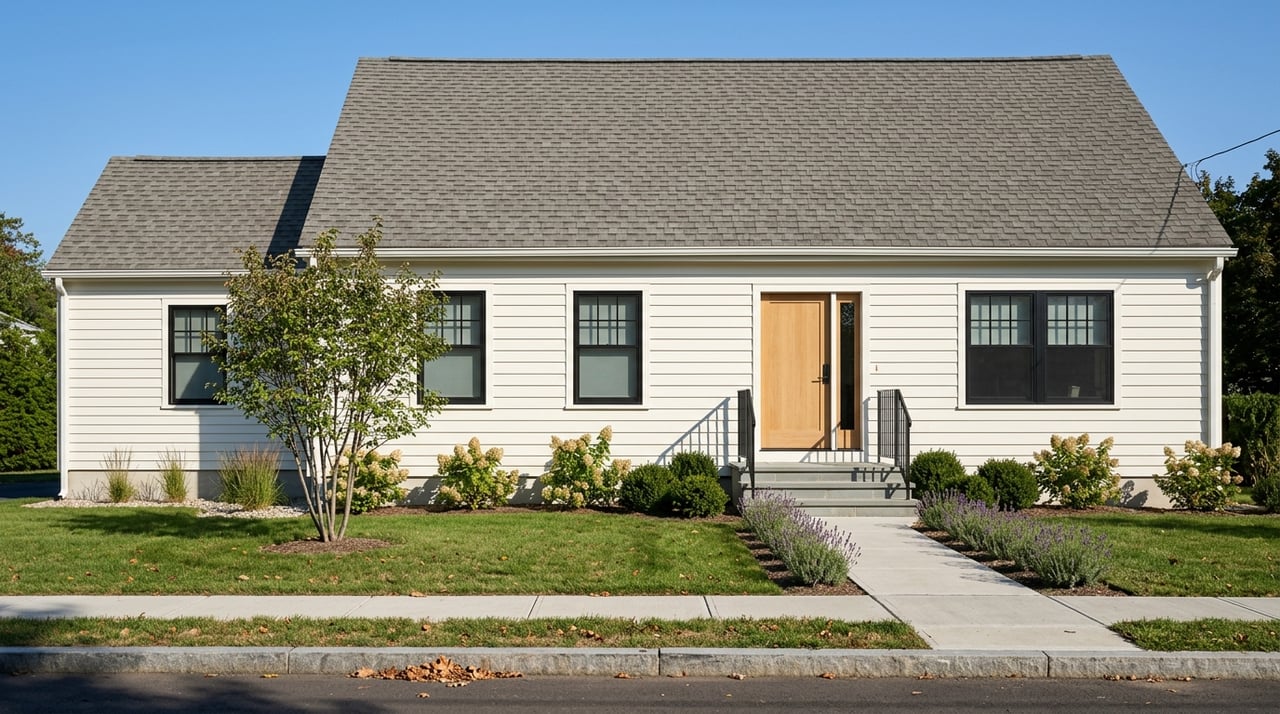
For many first-time buyers, a Randolph starter home is less about one exact property type and more about balancing price, size, and condition. Based on recent sales and listing patterns, a realistic starter-home profile is often a 2- to 3-bedroom home or attached unit with about 900 to 1,500 square feet. Some larger attached homes can also land near an entry-level budget, but detached homes still shape much of the local market.
Recent closed sales help paint a clear picture. In Randolph, homes like a 3-bedroom, 1-bath, 952-square-foot property sold for $450,000, while a 3-bedroom, 1.5-bath, 1,152-square-foot home sold for $470,000. Other recent examples included a 2-bedroom, 1-bath home at 880 square feet for $480,000 and a 3-bedroom, 1-bath home at 1,354 square feet for $516,000, according to recent Randolph sold-home data.
Randolph prices and competition
If you are browsing homes online, you may notice that current asking prices can feel higher than the sales examples above. In late March and early April 2026, Randolph had 25 homes for sale with a median list price of $595,000 and median days on market of 42, according to Randolph market data. That does not mean every first-time buyer needs to shop at that number, but it does show how competitive and limited the local inventory can be.
Recent market data also suggests homes can move quickly. Redfin reported a February 2026 median sale price of $535,000 with average days on market of 27, as cited in the research report. For you, that means the best opportunities may come from being prepared early, knowing your budget in detail, and acting quickly when the right home appears.
A helpful way to think about Randolph is this: the practical entry point often appears to be in the mid-$400,000s to mid-$500,000s. That range comes from recent closed sales, not just current list prices. If you focus on homes that need a little cosmetic updating, have slightly smaller square footage, or come in condo or townhouse form, you may find better first-home options.
How to read Randolph listings
When you open a listing, it helps to look beyond the headline price. Randolph listings often include the details that matter most to first-time buyers, such as bedroom and bathroom count, square footage, lot size, parking, property type, and days on market. These details can tell you whether a home fits your day-to-day needs and whether the asking price feels in line with similar homes.
Start with the basics:
- Property type: Is it a single-family home, condo, or townhouse?
- Size: How much living space are you getting?
- Layout: Do the bed and bath count work for your current needs?
- Parking and outdoor space: Are these included, and do they matter to you?
- Time on market: Has the home just listed, or has it been sitting for a few weeks?
A condo or townhouse may give you more interior space for the price, but you may also need to factor in HOA fees. A smaller detached home may offer a yard and more privacy, but the home could need updates or have higher maintenance costs over time. Neither option is automatically better. It depends on your goals, your budget, and how long you plan to stay.
What monthly costs really include
One of the biggest first-time buyer mistakes is treating the mortgage payment as just principal and interest. The Consumer Financial Protection Bureau explains that your total monthly housing payment often includes principal, interest, property taxes, homeowners insurance, and sometimes mortgage insurance. If you buy a condo or townhouse, HOA fees are usually separate, and taxes and insurance can change over time, according to the CFPB explanation of PITI.
That is especially important in Randolph because taxes are a meaningful part of the monthly picture. The town’s FY2026 residential tax rate is $11.58 per $1,000 of assessed value. Even if two homes have similar list prices, differences in taxes, HOA fees, and mortgage insurance can create a noticeable monthly gap.
Using Freddie Mac’s April 2, 2026 30-year fixed rate of 6.46%, the research report estimates that a $450,000 home with 3% down comes to about $3,182 per month for principal, interest, and property tax before insurance, PMI, and any HOA fee. A $530,000 home comes to about $3,747 before those extras. That is why it is smart to set your budget based on the full payment, not just the purchase price.
What upfront cash may look like
Your down payment is only one piece of your upfront cost, but it is a major one. With 3% down, you would need about $13,500 for a $450,000 home, about $14,400 for a $480,000 home, and about $15,900 for a $530,000 home. Those figures come straight from the payment math outlined in the research report.
If you use a conventional mortgage with less than 20% down, mortgage insurance will usually increase your monthly payment unless you use a program designed to remove it. The CFPB’s monthly payment worksheet is a useful reminder that your real affordability picture depends on several line items working together.
This is where many first-time buyers benefit from getting fully pre-approved and reviewing multiple financing paths before touring too many homes. A home that looks affordable at first glance may stretch your budget once taxes, insurance, and PMI are added. On the other hand, the right loan program could improve your numbers more than you expect.
First-time buyer programs for Randolph
Randolph buyers have several program options worth exploring early. The town’s ownership and financial support page points buyers to CHAPA, MassHousing, the South Shore HOME Consortium, MHP, MAHA, MyMassHome, and HUD’s Good Neighbor Next Door program. That local guidance is a strong sign that assistance-program screening should happen near the start of your search, not after you find a home.
One of the most locally relevant options is the South Shore HOME Consortium First Time Homebuyer Program. According to the Office of Healthy Homes, qualifying households buying a single-family home, condominium, or townhouse in Randolph may be eligible for a 0% interest, deferred-payment loan, with up to $40,000 available toward the down payment.
MassHousing homebuyer loans are another important resource. MassHousing says it offers down payment assistance of up to $30,000 with a MassHousing loan, and the program includes fixed-rate conventional and FHA options through participating lenders across Massachusetts.
For buyers looking for low-down-payment options, MHP’s ONE Mortgage program is especially worth a look. MHP says the program can offer as little as 3% down, a low fixed rate, no PMI, and possible financial assistance for eligible first-time buyers who complete a homebuyer class and meet program rules.
If you need a larger assistance layer, Randolph is also included in MHP’s ONE+ program. According to MHP, eligible buyers in participating communities may access up to $50,000 in down payment and closing cost support along with discounted fixed 30-year mortgage rates.
Why homebuyer education matters
Education is not just a helpful extra. In many cases, it is part of eligibility for assistance programs. MAHA’s homebuyer classes cover budgeting, mortgage options, credit management, and other homebuying basics, and both MHP and the South Shore HOME program include education requirements in their process.
That is good news for you. A strong first-time buyer class can help you compare loan options, understand what lenders are reviewing, and avoid choosing a home based on emotion alone. In a market like Randolph, that kind of preparation can make your offer strategy much more practical and less stressful.
Smart starter-home strategy in Randolph
If you want to buy your first home in Randolph, it helps to stay flexible without losing sight of your budget. You may need to choose between more space and a lower monthly payment, or between a detached home and an attached option with different cost tradeoffs. Knowing that upfront can help you search with more confidence.
A simple strategy is to focus on these steps:
- Get pre-approved before you seriously shop.
- Calculate your full monthly payment, including taxes, insurance, PMI, and any HOA fee.
- Screen for down payment assistance and first-time buyer programs early.
- Keep an open mind about condos, townhouses, and smaller detached homes.
- Watch recent sold prices, not just current list prices.
Randolph can still be a strong place to buy your first home, but success usually comes from preparation more than luck. If you understand the local price range, read listings carefully, and use every program you qualify for, you can make a more informed move.
When you are ready to map out your options, connect with Zander Realty Group for clear, local guidance tailored to your budget and goals.
FAQs
What price range is realistic for a starter home in Randolph?
- Based on recent closed sales in the research report, many realistic entry-level options appear to fall in the mid-$400,000s to mid-$500,000s, depending on size, condition, and property type.
What types of starter homes can first-time buyers find in Randolph?
- First-time buyers in Randolph will often see smaller detached single-family homes, plus some condos and townhouses, with many entry-level options around 900 to 1,500 square feet.
What monthly costs should Randolph first-time buyers budget for?
- Your monthly housing cost may include principal, interest, property taxes, homeowners insurance, mortgage insurance, and possibly HOA fees if you buy a condo or townhouse.
What is Randolph’s residential property tax rate?
- Randolph’s FY2026 residential tax rate is $11.58 per $1,000 of assessed value, according to the town assessor information in the research report.
What first-time homebuyer programs can help in Randolph?
- Randolph buyers may want to explore the South Shore HOME Consortium program, MassHousing, MHP’s ONE Mortgage, MHP’s ONE+ program, and homebuyer education resources like MAHA, based on the town and program sources in the research report.
Do Randolph first-time buyers need homebuyer education classes?
- Some assistance programs tied to Randolph do require homebuyer education, and classes can also help you understand budgeting, credit, mortgage options, and the full buying process.