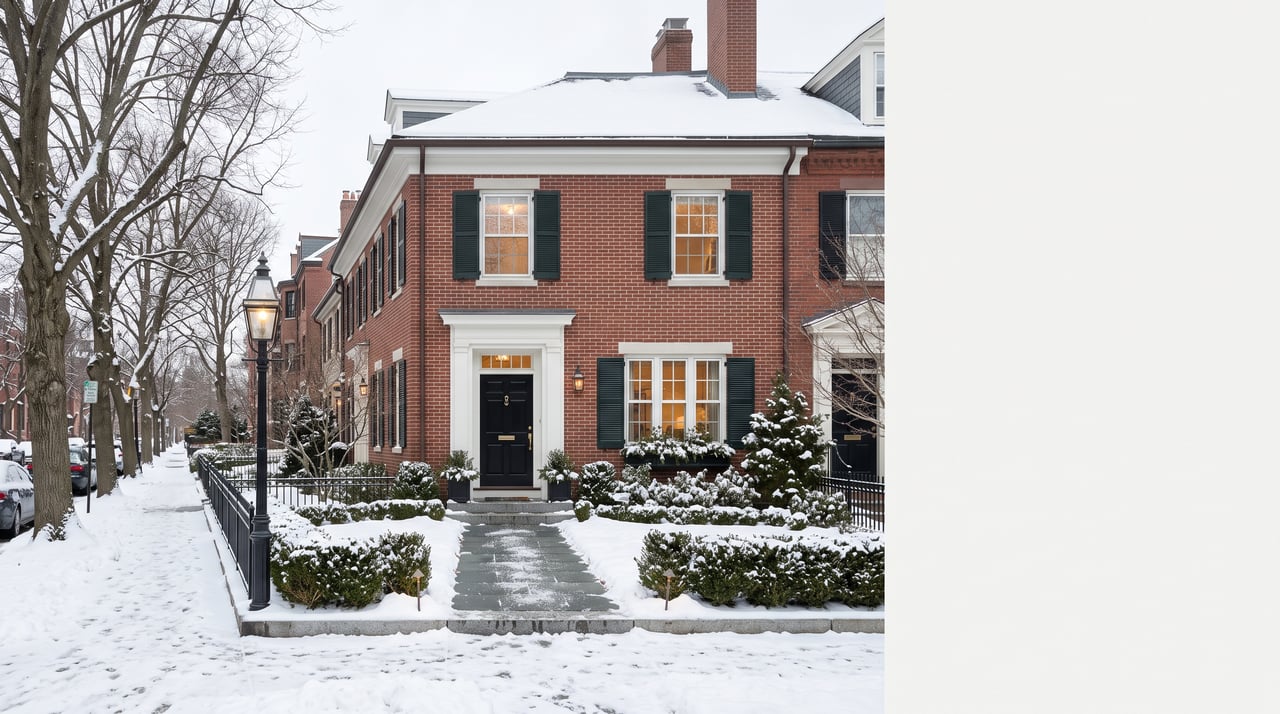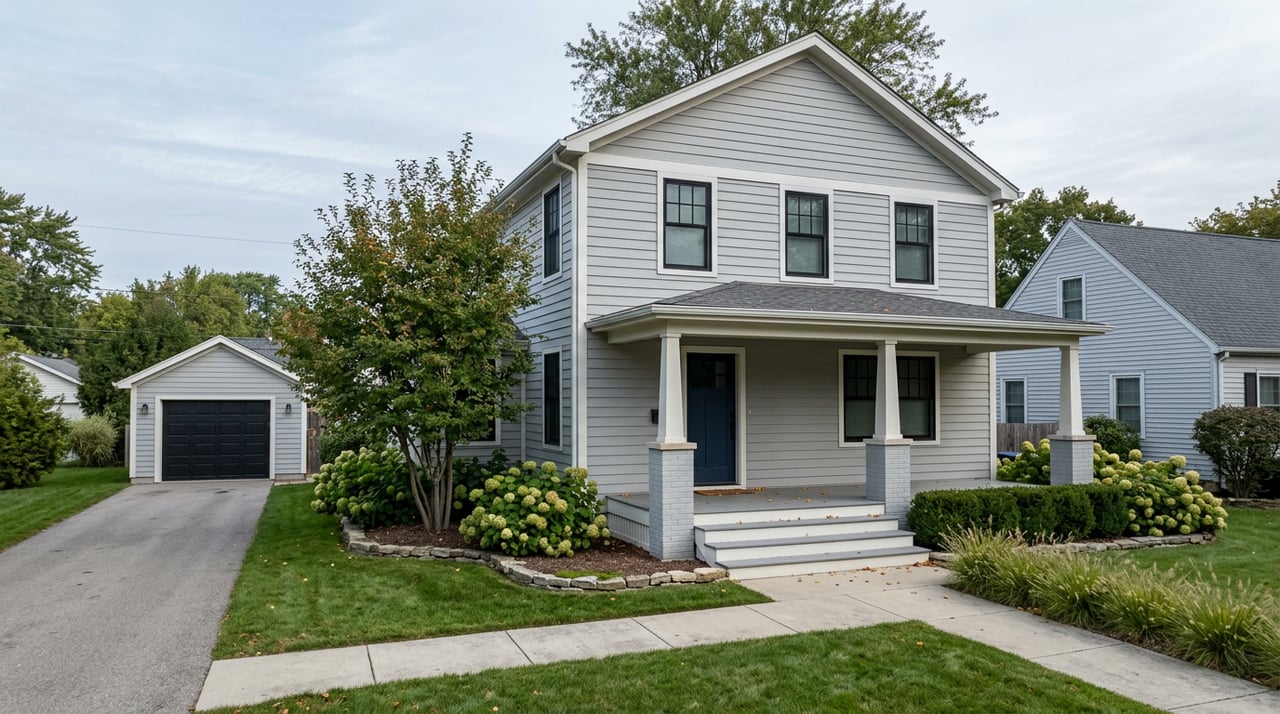
Ten homes are going up at 217 Mill Street in Randolph, and nine of them were never meant to hit the open market the way a typical listing does. The development is called Violet Hills, proposed by Everstead Partners, and it is built around income bands rather than the highest bidder. Three units are reserved for households at 80 percent of Area Median Income, three at 100 percent, three at 110 percent, and one unit sells at market rate. According to the special permit application filed with Randolph's Planning Board this spring, the project is structured as one of the first in the country to use tax credit financing specifically for affordable homeownership rather than affordable rental housing.
That distinction matters more than it sounds like it should. Most affordable housing tax credits in Massachusetts and nationally are built to subsidize apartments people rent, not homes people own and build equity in. Violet Hills flips that model. If it works the way it's designed to, it becomes a template other towns copy. If you are searching for a starter home in Randolph right now, it also means the next wave of new-construction entry-level housing here will not simply go to whoever writes the strongest offer. It goes to whoever fits the income window the town and its developer partner have built around it.
Why This Project Exists Right Now
Randolph did not stumble into this. The town sits below the threshold set by Massachusetts General Law Chapter 40B, which requires that at least 10 percent of a community's year-round housing stock appear on the state's Subsidized Housing Inventory. Fall short of that mark and a developer can bypass local zoning entirely through a comprehensive permit, building at higher density than local bylaws allow as long as at least 20 to 25 percent of the new units are income-restricted. Statewide, only about 12 percent of municipalities clear the 10 percent bar. Randolph is one of the towns still working toward it, which is part of why a project like Violet Hills gets built with this specific financing structure rather than as ordinary market-rate construction.
The town has been building toward this for more than a year. Randolph hired its first Housing Coordinator, Elijah Mensah, in 2025. Planning Board minutes from March and April 2026 show the town working through zoning changes aimed at easing the path for two-family homes and reducing parking requirements, and the town is on track to adopt an inclusionary zoning ordinance in 2026. Randolph was also one of four Massachusetts communities, alongside Agawam, Hatfield, and Westford, selected this year for intensive technical assistance from the Massachusetts Housing Partnership to help stand up a local Affordable Housing Trust. The town already has a Randolph Affordable Housing Trust Fund page live on its municipal site, and Planning Board minutes note the town is exploring a state bill that would let it collect a transfer fee on real estate sales over $1 million to help fund the trust, though that bill would require a home rule petition to take effect locally.
None of this is happening because Randolph woke up one day and decided to be more affordable. It's happening because the state's Chapter 40B math forces the issue, and the town has chosen to build its own tools rather than wait for an outside developer to force the issue through an override permit.
Two Zoning Clocks, Not One
Randolph is also working under the 2021 MBTA Communities Act, which designates the town a commuter rail community because of the Randolph/Holbrook stop. That law requires the town to zone at least one district where multifamily housing is allowed as of right, at a minimum gross density of 15 units per acre. Randolph's specific requirement, laid out on the town's own MBTA Communities page, calls for a minimum of 48 acres of qualifying land, with at least 20 percent of it located within a half mile of the commuter rail station. The town's zoning ordinance was most recently updated in November 2025, reflecting work already underway on that front. The MBTA Communities Act itself does not require Randolph to build any housing, only to zone land so multifamily housing is legally allowed without a special permit fight.
That's a separate clock from the one Planning Board minutes flagged in April 2026, which note the town must have a new ordinance in place by October, tied to demonstrating annual progress toward the Chapter 40B threshold. The same meeting discussed Chapter 40Y, a state option that lets a town create a dedicated starter-home zoning district in exchange for funding tied to construction progress, as one route the town could use to help satisfy that progress requirement. For a buyer or investor watching Randolph, the point isn't which specific law is driving which specific date. It's that the town is running two zoning processes at once, one already showing up in a 2025 ordinance update and one landing this October, and both shape where new housing, income-restricted or otherwise, can legally get proposed in town over the next few years.
What the Median Price Isn't Telling You
Anyone shopping Randolph on price alone has probably already noticed the numbers don't agree with each other. One widely used data feed showed Randolph's median sale price at $633,000 in November 2025, up 18.8 percent year over year. The same data source, pulled again for July 2026, showed the median sale price at $579,710, essentially flat against the prior year. A separate home-value index put the typical Randolph home at $518,306 as of mid-2026, up less than 1 percent year over year.
Those three numbers aren't really describing three different markets. They're describing the same small, low-volume market measured at different moments, where a handful of higher-priced or lower-priced closings can swing the median by tens of thousands of dollars month to month. Redfin's own snapshot noted only 18 homes sold in Randolph in November 2025. A market that thin doesn't produce a stable median the way Boston or Quincy does. If you're using a single headline price to decide whether Randolph is getting more or less affordable, you're reading noise, not signal.
What's more stable, and more useful, is the zoning and financing structure underneath the price. That's the layer this piece has walked through: a 40B threshold Randolph hasn't cleared, a Housing Coordinator and Affordable Housing Trust effort now in motion, a new zoning ordinance due this October, and one concrete pilot project testing whether affordable homeownership, not affordable rental, is the model the town leans on next.
Violet Hills, By the Numbers
| AMI Tier | Units at Violet Hills |
|---|---|
| 80% Area Median Income | 3 |
| 100% Area Median Income | 3 |
| 110% Area Median Income | 3 |
| Market rate | 1 |
The band structure matters because it's aimed squarely at what housing planners often call the missing middle: households earning at or slightly above the area median, including the town's own workforce. Planning Board materials describe the target buyer as working households, teachers, municipal employees, and healthcare workers among them, who earn too much for many traditional affordable housing programs but still get priced out of a fully open market.
What This Means If You're Actually House Hunting in Randolph
- Income-restricted units at projects like Violet Hills come with eligibility screening built around AMI bands, not just pre-approval letters. Ask early whether a listing you're eyeing is deed-restricted before you fall in love with it.
- Randolph's October 2026 ordinance deadline, tied to the town's Chapter 40B progress requirements, is worth tracking even if you have no interest in new construction, because it will shape where future multifamily and starter-home product can get proposed in town.
- A single median price snapshot from any one month is not a reliable signal in a market this thin. Look at multiple months and multiple sources before drawing a conclusion about direction.
- If you're a small investor eyeing Randolph for a triple-decker or two-family conversion, the town's recent zoning changes easing two-family construction and reducing parking minimums are more relevant to your underwriting than the headline median.
FAQ
Is Violet Hills open to any buyer who wants to make an offer? No. Nine of the ten units are income-restricted to households at 80, 100, or 110 percent of Area Median Income, with eligibility and screening tied to that structure rather than a standard open-market sale.
Does the MBTA Communities Act mean Randolph has to build more affordable housing? Not directly. The law requires the town to zone a qualifying district where multifamily housing is allowed by right, and Randolph's zoning ordinance was most recently updated in November 2025 to work toward that. It does not require any units to actually be built. The separate October 2026 ordinance deadline noted in Planning Board minutes relates to the town's Chapter 40B progress requirements, not the MBTA Communities Act itself.
Would the proposed real estate transfer fee affect a typical Randolph home sale? As discussed in Planning Board minutes, the fee under consideration would apply to sales over $1 million, and it would require a state home rule petition before Randolph could adopt it locally. Most Randolph home sales, which have recently traded well under that threshold, would not be affected even if the town moves forward with it.
If you're weighing Randolph against other South Shore towns, or trying to figure out whether a specific Randolph property fits an owner-occupant, workforce-eligible, or straight market-rate path, that's exactly the kind of local detail worth a real conversation before you write an offer. Zander Realty Group works Randolph and the rest of the South Shore every week. Get an Estimate and let's talk through what your budget actually buys here right now.