Curious if a Somerville triple-decker could be your smartest path to homeownership and rental income? You are not alone. Many first-time buyers and house-hackers look to this classic New England building type to live affordably while tenants help cover the mortgage. In this guide, you will learn what a triple-decker is, how to evaluate condition, the rules that shape how you can use it, and your financing options as an owner-occupant. Let’s dive in.
What is a triple-decker
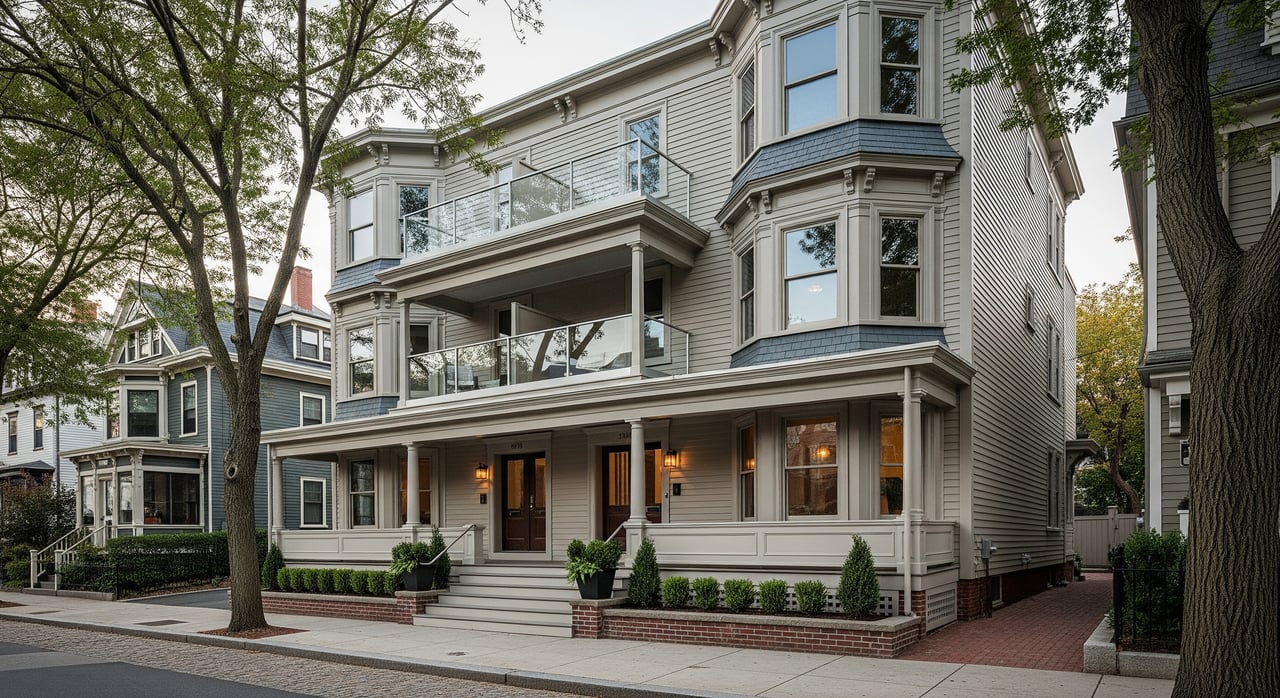
A triple-decker is a wood-frame, three-story multifamily with one apartment per floor. Most were built from the late 1800s through the early 1900s and often include stacked porches, bay windows, and compact footprints on narrow urban lots. Older examples used balloon framing; later ones used platform framing.
Somerville’s historic growth made triple-deckers common across neighborhoods like Davis Square, East Somerville, and Spring Hill. The city’s street grid and lot sizes still reflect that history, which is why you see tight yards, limited frontage, and variable off-street parking. For today’s buyer, these buildings offer a familiar layout, strong rental demand, and a chance to live in one unit while renting the others.
What to inspect before you buy
Older multi-unit wood buildings vary widely in condition. Two similar-looking triple-deckers can have very different maintenance needs. Plan thorough inspections and expect to review repair histories carefully.
Structure and exterior
- Foundation, sills, and framing: Look for settlement, rot, and moisture issues. Pay close attention to sill plates and any signs of prior repairs.
- Porches and balconies: Stacked porches are a hallmark of the style and a frequent problem area. Evaluate structural stability, railings, and water intrusion.
- Roofing and drainage: Confirm roof age, flashing, and gutter function. On narrow lots, proper water management is critical to avoid siding and foundation damage.
- Chimneys and masonry: If present, assess brick condition, caps, and flashing.
Electrical, heating, and plumbing
- Electrical: Identify any knob-and-tube wiring, fused panels, or DIY splices. Many older multifamilies need service upgrades to meet modern use and insurance standards.
- Heating and hot water: Determine if systems are separate or shared. Verify fuel type, age, and capacity of boilers or furnaces. Ask about oil tanks, including any abandoned or underground tanks.
- Plumbing: Look for galvanized piping, transitions to copper, and main sewer line condition. A sewer scope can prevent costly surprises.
Insulation, ventilation, and hazards
- Insulation and air sealing: Older walls and roofs may be under-insulated. Confirm bath and kitchen exhausts vent properly to manage moisture.
- Pests and wood-destroying insects: Schedule a pest inspection as part of due diligence.
- Lead paint and asbestos: Pre-1978 homes can contain lead-based paint, and older pipe insulation or flooring may have asbestos. If you plan to rent or renovate, you must follow Massachusetts and local safety rules, especially for units that may house young children.
Insurance considerations
Insurers often scrutinize older triple-deckers. Expect questions about wiring type, roof age, heating systems, and porches. Some carriers require upgrades before issuing or renewing coverage. Get quotes early so premium costs and required work are part of your budget.
Daily ownership realities
Triple-deckers deliver a lot of living space and income potential on compact lots, but the layout and age bring specific ownership realities.
- Shared elements: Roofs, foundations, porches, and sometimes mechanicals are shared across units. That means clear responsibilities for maintenance and cost-sharing if you convert to condos or co-own in the future.
- Sound and circulation: Stacked units share vertical circulation and can transmit noise. Thoughtful flooring, insulation, and clear house rules improve tenant satisfaction.
- Exterior upkeep: New England weather is hard on wood siding, porches, and stairs. Plan for ongoing painting, porch repairs, and periodic roof work.
- Yard and storage: Many lots are narrow with minimal yard or outdoor storage. Bike and gear storage usually requires creative indoor solutions.
Zoning, parking, and permits in Somerville
Somerville’s planning history and current regulations shape what you can do with a triple-decker. Always verify property-specific details with city departments before you make an offer.
Zoning and permitted uses
Somerville treats multifamily housing as a core use in many districts. Zoning rules govern unit counts, setbacks, floor-area ratio, and parking standards. If a property has nonconforming features or an altered layout, confirm whether it is legal and what it would take to bring it into compliance.
Parking and transportation
Many triple-deckers have limited or no off-street parking. Street parking can be competitive and may require permits or follow time restrictions. Proximity to MBTA stations and bus lines reduces car dependence for many owner-occupants. Adding a driveway or garage is often constrained by lot lines, zoning, and cost.
Renting and safety rules
Local occupancy, safety, and health codes set minimum standards for egress, smoke and CO alarms, heating, and plumbing. Landlords must follow state and local lead-safety requirements, particularly for units that may house young children. If you plan short-term rentals, check current rules and registration requirements.
Thinking about condo conversion
Converting a triple-decker to condominiums falls under the Massachusetts Condominium Act and Somerville’s local permitting and inspection processes. Expect building and safety inspections, documentation, and time for legal filings. A full conversion can take months and involve legal and survey costs. Engage an attorney and speak with city officials early if conversion is part of your plan.
Financing for owner-occupants
Lenders commonly finance 2 to 4 unit properties for owner-occupants, but the rules differ from single-family lending. Start conversations with lenders early so you can compare programs and understand underwriting.
Common loan types
- FHA loans: Typically allow 2 to 4 unit purchases if you live in one unit, with specific property condition and appraisal standards.
- Conventional loans: Fannie Mae and Freddie Mac guidelines permit 2 to 4 unit owner-occupant loans. Down payment and reserve needs are often higher than for single-family homes.
- Portfolio loans: Local banks and credit unions may offer flexible options for older multifamily properties, including rehab-friendly programs.
What lenders review
Lenders look at your credit, debt-to-income ratio, and reserves. They also review the property’s condition and insurability. Expect more documentation than a single-family purchase, especially if you plan to use rental income in your application.
Using rental income
Many programs allow a portion of existing or projected rents to offset your debt-to-income ratio. You will likely need leases, rental comps, or both. Policies vary by loan type and lender, so ask for specifics in writing.
Renovation financing
If the building needs major work, explore renovation loan products or portfolio options that combine purchase and rehab financing. Align contractor timelines with lender draw requirements to keep your project on track.
Financing and condo conversion
If you plan to convert and sell units, know that condo project standards apply. Lenders often require specific owner-occupancy ratios, reserves, and proper legal documentation before approving loans within a project. Skipping municipal or state steps can harm resale and financing, so plan the sequence carefully.
Buyer checklist
Use this checklist to keep your purchase focused and efficient.
- Confirm zoning and permitted use for the lot, including setbacks and parking rules.
- Hire a home inspector experienced with older, multi-unit wood-frame buildings. Add specialty inspections for structure, chimney, sewer, oil tanks, and pests.
- Request seller records: leases, rent roll, utility bills, and capital improvements like roof, boilers, and electrical panels.
- Verify insurance availability and likely premiums for the property’s age and systems.
- Check for open permits and any code violations with Somerville’s inspectional services.
- Understand lead and other environmental obligations for Massachusetts, especially if you plan to rent to households with young children or renovate.
- If considering condo conversion, consult an attorney familiar with Chapter 183A and Somerville’s local process before you buy.
Is a triple-decker right for you
If you want to live in Somerville, build equity, and offset your mortgage with rent, a triple-decker can be a compelling path. Success comes from careful inspections, realistic maintenance budgets, a clear view of zoning and parking, and the right financing strategy for 2 to 4 unit properties.
You do not have to navigate this alone. For property selection, offer strategy, inspections, and lender introductions tailored to Somerville and Greater Boston, connect with the team at Zander Realty Group.
FAQs
What is a triple-decker in Somerville housing
- A triple-decker is a three-story, wood-frame multifamily with one apartment per floor, typically built from the late 1800s to early 1900s in compact urban lots.
What issues do older Somerville triple-deckers often have
- Common items include aging roofs and porches, older wiring or panels, older heating systems, galvanized plumbing, moisture control needs, and possible lead paint or asbestos.
Can I use rental income to qualify for a mortgage on a triple-decker
- Many lenders allow a portion of existing or projected rents to offset your debt-to-income ratio, but documentation and percentages vary by program and lender.
What are the parking realities for triple-decker owners in Somerville
- Many properties lack off-street parking, so street parking with permits and time limits is common, and adding parking is often limited by zoning and lot size.
What should I know about lead paint when renting units in Massachusetts
- Pre-1978 homes may have lead paint, and landlords must follow state and local lead-safety rules, especially for units housing young children.
What is involved in converting a Somerville triple-decker to condos
- Conversions follow the Massachusetts Condominium Act and local processes, typically requiring inspections, legal documents, filings, and time for approvals before sales.