Thinking about selling your Randolph home but not sure when to list? Timing can influence how many buyers see your home, how fast you receive offers, and how smoothly you coordinate your next purchase. If you are moving up to a larger home, the right window also helps you land your next place on a schedule that fits your life. In this guide, you will learn the best times to sell in Randolph, what trade-offs to expect each season, a 60–90 day prep plan, and staging tips that help your photos pop. Let’s dive in.
Why timing matters in Randolph
Randolph sits in Norfolk County within the Greater Boston market, so local demand is tied to regional jobs, commuting, and inventory. Buyer activity in Greater Boston suburbs is seasonal. Spring usually brings the most showings and offers, with a secondary bump in early fall. Winter tends to slow down due to weather and holidays.
For you, that means the calendar matters. Your listing can reach a larger pool of motivated buyers in spring, when families plan summer moves and curb appeal is at its best. If spring is not possible, early summer or early fall can still deliver solid results with the right pricing and presentation.
Best listing windows
Primary window: late March to early June.
- Aligns with school calendars and summer move plans for many buyers.
- Better daylight and landscaping improve first impressions and photos.
- Historically higher buyer traffic in Greater Boston suburbs increases the chance of multiple offers and shorter days on market.
Alternate options
- Early summer (June to mid-July). Demand remains active, and many buyers want summer closings.
- Early fall (late September to October). A smaller but focused group of serious buyers is still in the market. With fewer listings, a well-priced, well-presented home can stand out.
When to avoid listing, if you can
- Late November to February. Buyer traffic is slower due to weather and holidays, and exterior photos can be harder to capture. If you must list, make sure your pricing and marketing meet the moment. Relocation buyers and investors are the likely audience.
Seasonal trade-offs to weigh
- Spring: The largest buyer pool and strong photos, but more competing listings. Your home must shine on price and presentation.
- Summer: Early summer is still active and convenient for closings. Mid to late summer can taper as vacations start.
- Fall: Fewer buyers, but many are motivated and focused. Pricing precision and standout staging are important.
- Winter: Less competition, but a smaller buyer pool. Lean on accurate pricing, warm staging, and flexible showing plans.
Your 60–90 day prep timeline
Use this plan to get market-ready on a smooth schedule.
60–90 days out
- Consult your agent for a preliminary market analysis and a listing calendar tied to your target closing date.
- Gather documents: deed, tax bills, mortgage payoff details, utility history, permits and warranties for past work.
- Consider a pre-listing inspection or targeted checks for roofing, HVAC, or septic. Identify issues that could delay a sale.
- Request contractor estimates for needed repairs. Prioritize safety, structural, and systems items first.
45–60 days out
- Complete essential repairs and keep permits and receipts to share with buyers.
- Declutter and depersonalize. Rent a storage unit if needed.
- Decide on full or partial staging. Get bids if you plan to hire a professional stager.
- Plan landscaping updates. Clean beds, prune, mulch, and schedule any lawn repairs.
- Obtain three quotes for any larger updates you want to complete before listing.
30–45 days out
- Finish repairs and gather invoices and warranties.
- Schedule a deep clean, carpet cleaning, and window washing.
- Implement staging with a focus on the kitchen, living room, and primary bedroom.
- Consider a pre-listing appraisal if you need more clarity on proceeds for your next purchase.
- Finalize marketing assets: floor plan, virtual tour, 3D tour, or drone photos if appropriate.
7–14 days before photos or launch
- Book professional photography. Choose a fair-weather day with bright but diffused daylight.
- Tidy for photos: remove boxes, clear counters, hide bins, and move cars off-site.
- Assemble disclosures, including lead paint documents for pre-1978 homes and any recent inspection reports.
- Set showing logistics: lockbox, showing windows, and pet plans. Align on a pricing strategy.
Listing day and first 30 days
- Ensure the home is photo-ready for all showings. Lights on, blinds open, temperature comfortable.
- Confirm the MLS details are accurate and highlight neighborhood strengths that matter to buyers.
- Monitor feedback and adjust quickly if activity lags. Be ready to tweak staging or pricing and host broker or public opens.
Staging and photo-readiness checklist
Overall principles
- Depersonalize and declutter. Clear surfaces and organize closets.
- Maximize light. Open blinds and use matching bulbs with consistent color temperature.
- Keep colors neutral. Aim for broad appeal and strong photos.
- Choose 1 to 2 focal points per room, such as a fireplace or a well-dressed bed.
Curb appeal
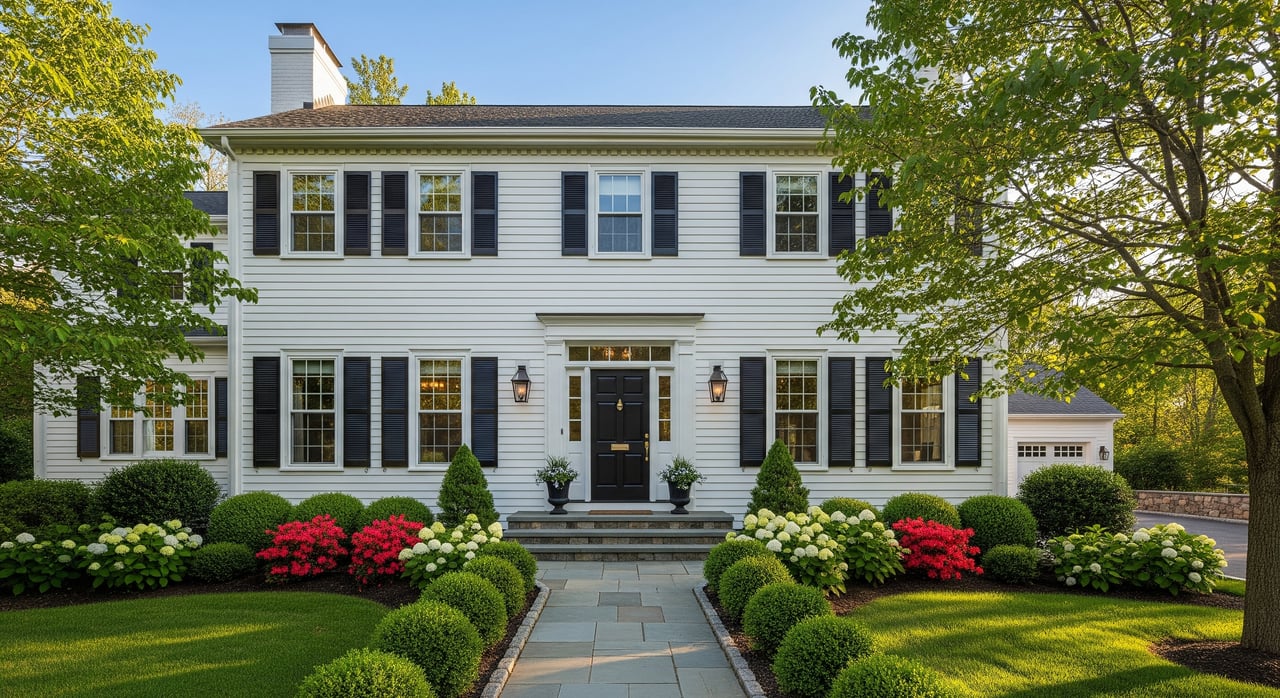
- Mow, edge, mulch, and trim shrubs. Clean walkways and steps.
- Power wash siding and clean gutters if needed.
- Refresh house numbers or mailbox if worn. Repaint the front door in a neutral or popular accent color.
- In spring, show tidy beds and seasonal plants. In winter, remove snow and ice for safe showings.
Kitchen
-
Clear counters, leaving one or two styled items like a bowl of fruit.
-
Remove magnets and papers from the fridge.
-
Deep clean appliances and consider small updates such as new hardware.
-
Add bright task or under-cabinet lighting for photos.
Bathrooms
- Swap in fresh white towels and a clean shower curtain.
- Re-caulk and refresh grout. Fix drips or running toilets.
- Add a small plant or simple décor for warmth.
Living and dining rooms
- Arrange furniture to show a clear traffic flow and conversation area.
- Remove extra pieces to make rooms feel larger.
- Use a rug to define seating zones.
Bedrooms
- Dress beds with neutral bedding and pillows.
- Remove excess furniture and clear surfaces.
- Organize closets to showcase storage.
Basement, attic, and garage
- Clean and stage as functional spaces. Remove debris and odors.
- Address any moisture issues before listing.
Photo and tour tips
- Hire a professional photographer for high-quality images.
- Capture exteriors on a clear day with good light. Avoid days when snow hides the yard unless you have planned winter curb appeal.
- Add a floor plan and consider a 3D virtual tour to engage remote buyers.
Pricing strategy for Randolph sellers
Price to current conditions using recent comparable sales in Randolph and nearby Norfolk County neighborhoods. Focus on 7 to 30 day comps whenever possible and adjust for condition and updates. Choose a price strategy that matches inventory and demand at your listing window.
- Invite multiple offers: Consider pricing slightly under market when demand is strong and inventory is tight.
- Aim for steady interest: Price at market for a consistent flow of qualified buyers.
- Use psychologically attractive price points that reflect what buyers search for. Avoid fractional pricing without a clear reason.
Work with your agent to test your plan against real-time activity. Review showings, feedback, and online engagement during the first two weeks.
If you are selling and buying your next home
Move-up sellers often need to coordinate two transactions. Plan your proceeds and timelines early so you can act with confidence.
- Contingent offers. Make your purchase contingent on selling your current home. This is common but less competitive in hot seller markets.
- Bridge financing or a HELOC. Explore options that let you buy before you sell. Confirm rates, costs, and qualification with your lender.
- Rent-back after closing. Negotiate to rent your home back from the buyer for a short period to gain time. Work with your attorney on terms.
In Massachusetts, attorneys are customarily involved in closings. Expect standard contingencies for inspection, financing, and appraisal. A pre-listing inspection can reduce surprises, though you must decide whether to repair items or offer credits. Keep documentation for permitted work and contractor receipts to support negotiations.
Local factors to watch
- Commuting patterns. Buyers weigh commute and hybrid work options. Highlight transit access or major highways when relevant.
- Inventory and competition. Spring adds buyers and listings. Make your home stand out with strong photos, pricing, and open house timing.
- Buyer profile. Randolph attracts first-time buyers, move-up families, and investors. Tailor your marketing to who is most likely to value your home’s features.
- School calendars. Many buyers with children aim for summer moves. Lining up a spring listing helps you match that demand.
- Multi-family considerations. Investor activity can be steady year-round. If you are selling a multi-family, marketing and pricing should reflect that audience.
Next steps
If your target is a summer move, start preparing 60 to 90 days before late March. Build your timeline, tackle priority repairs, and plan a photo-ready launch. A precise calendar, strong staging, and the right price are your best levers.
Want a custom plan for your home, neighborhood, and goals? Connect with Zander Realty Group for a data-informed value estimate, a tailored prep checklist, and a launch window that maximizes results.
FAQs
What is the best month to sell a home in Randolph?
- The strongest window is typically late March to early June when buyer activity peaks in Greater Boston suburbs, photos look their best, and many families plan summer moves.
Is fall a good time to list in Randolph?
- Early fall can work well with a smaller but focused buyer pool and fewer competing listings. Pricing accuracy and standout staging are essential.
Should I sell in winter in Randolph, MA?
- Winter is the slowest period due to weather and holidays. If you must list, emphasize warm staging, flexible showings, and competitive pricing. Relocation buyers and investors are your likely audience.
How far in advance should I start preparing to sell?
- Aim to start 60 to 90 days before your target launch. This gives you time for repairs, staging, professional photography, and clear pricing strategy.
Do I need a pre-listing inspection in Massachusetts?
- It is optional but useful for spotting issues early and reducing surprises. If you do one, decide whether to repair items or disclose and offer credits.
How do I coordinate selling my home while buying another?
- Explore a sale contingency, bridge financing or a HELOC, and possible rent-back terms. Align timelines with your agent, lender, and attorney early in the process.
What home updates deliver the best return before listing?
- Focus on high-impact items such as paint in neutral tones, deep cleaning, hardware refreshes, lighting improvements, and targeted repairs to core systems. Professional staging can also boost results in competitive markets.