Trying to choose between a condo and a single-family home in Stoughton? You’re not alone. As a first-time buyer, you want the right mix of affordability, low stress, good commute options, and room to grow. In this guide, you’ll learn how costs, maintenance, location, and lifestyle compare in Stoughton, plus a simple framework to make your choice with confidence. Let’s dive in.
Stoughton housing at a glance
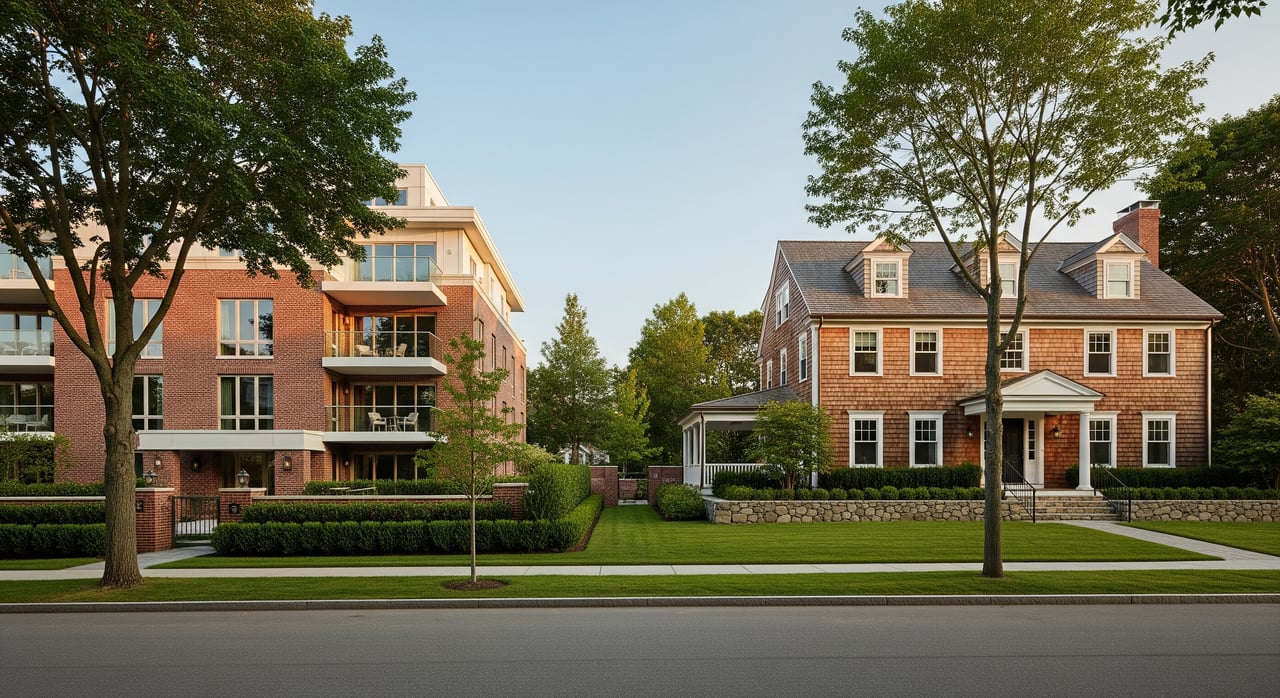
Stoughton sits in Norfolk County just south of Boston, with common commutes to Boston and job hubs along Route 24 and I‑93. Many buyers here balance the draw of downtown convenience with the space of residential neighborhoods. Condos often cluster near town centers and transit, while single-family homes are usually found on quieter streets with yards.
You’ll see a range of options: older single-family homes from different eras and a mix of condos, including conversions, townhouse-style communities, and small multi-unit associations. Newer or renovated properties can command premiums. Pricing and inventory shift quickly, so plan to compare live listings when you’re ready to shop.
Cost comparison: price and monthly outflows
Purchase price basics
Across many Greater Boston suburbs, condos often list lower than comparable single-family homes because you are not buying the land and the footprint is smaller. In Stoughton, prices vary by condition, size, and proximity to transit and amenities. Pull 90 to 180 days of recent sales from local MLS data to see current bands before you set expectations.
What your monthly really includes
Your monthly housing budget is more than a mortgage. For an apples-to-apples view, compare:
- Mortgage principal and interest
- Property taxes based on assessed value
- Homeowners insurance: HO‑3 for single-family, HO‑6 for condo interiors
- HOA fees for condos, which may include exterior maintenance, building insurance, landscaping, and sometimes utilities
- Utilities not covered by the HOA
- A maintenance reserve
A simple formula you can use:
- Total monthly cost = mortgage P&I + (annual property tax ÷ 12) + (insurance ÷ 12) + HOA fee (if condo) + average monthly utilities + monthly maintenance reserve
Example worksheet you can copy
- Pick 3 to 5 recent Stoughton sales for condos and 3 to 5 for single-family homes with similar bedroom counts.
- For each, calculate the total monthly cost using the formula above.
- Keep loan terms identical across samples to compare cleanly, and note down payment and any PMI.
- Add expected near-term repairs or updates to your first-year budget.
Closing costs and financing nuances
Condo purchases can include HOA document and project review fees, and some lenders require condo project approvals for certain loan types. Single-family closings tend to be simpler from an association standpoint but may come with more inspection-related repairs. If your down payment is under 20 percent, factor in private mortgage insurance on conventional loans.
Maintenance, risk, and predictability
Single-family responsibilities
With a house, you control renovations, timing of projects, and yard use. You also take on the full scope of upkeep. Budget for routine items and large capital projects like roofs, siding, HVAC, driveways, and landscaping. Older homes can carry more deferred maintenance, so inspections and a healthy reserve matter.
Condo ownership basics
Condo living shifts exterior and common-area maintenance to the association, which can make monthly costs feel more predictable. Your HOA fee supports items like roof, siding, snow removal, landscaping, and master insurance. Still, you share exposure to the association’s finances. If reserves are low, special assessments are possible.
HOA due diligence checklist
Before you commit to a condo, request and review:
- Master deed, bylaws, rules and regulations
- Current budget, most recent reserve study, and last 3 years of financials
- Minutes from recent association meetings
- Master insurance policy
- History of special assessments and current delinquency rate
- Any pending litigation or planned major repairs
- Owner‑occupancy rate and rental, pet, and renovation rules
Commute, location, and lifestyle
Commute trade-offs in Stoughton
Many buyers weigh a shorter commute and walkability near downtown against more space farther from transit. Evaluate each listing by noting nearby commuter rail or bus options, highway access like Route 24, and how drive times change during peak hours. A timed test drive during your typical commute window is the best reality check.
Lifestyle fit
- Condos: Lower exterior maintenance, closer to shops and restaurants, potentially better access to transit. Rules may limit pets, rentals, or renovations.
- Single‑family: Private outdoor space, storage, and full control over changes. You handle yard care, snow removal, and seasonal upkeep.
Schools and amenities
School assignment and local amenities can influence long-term value. Review the latest district information through official Massachusetts and Town of Stoughton resources. Map your daily life too, including groceries, parks, gyms, and healthcare, to see which location fits your routine.
Financing and approvals
First-time buyer programs
Explore statewide programs that support first-time buyers in Massachusetts. Options can include down payment assistance and favorable loan terms. Check current eligibility and program details with MassHousing and a local lender who understands Greater Boston products.
Condo project eligibility
Some loan types require that the condo project meet specific approval standards. Lenders may evaluate items like owner‑occupancy ratios, budget health, and litigation status. Clarify project eligibility early to avoid surprises and to understand your true loan options.
Decision framework that works
Rank your priorities
- Space vs upkeep: Do you need a yard and storage, or do you want low maintenance?
- Budget vs predictability: Lower upfront price or more stable monthly costs?
- Commute tolerance: How much time can you spend traveling, and do you need transit access?
- Future plans: Will you expand your household, rent out, or renovate?
Side-by-side comparison steps
- Gather 3 to 5 recent sold or active comps for each property type with similar size.
- Calculate total monthly cost for each using the formula.
- Compare down payment, PMI, and loan programs like FHA, VA, or MassHousing.
- Add the first-year repair or upgrade costs identified during inspection.
Risk management and resale
- For condos: Confirm reserves are adequate and understand the capital plan.
- For single‑family: Use thorough inspections and plan a maintenance reserve.
- Test the commute during peak periods and confirm school assignment with the town.
- Review supply and demand for similar homes to gauge resale and time on market.
Quick pros and cons summary
Condos
- Pros: Lower exterior maintenance, potentially closer to transit and amenities, HOA covers many common items.
- Cons: HOA fees, potential special assessments, rules on pets, rentals, and renovations.
Single‑family homes
- Pros: Private outdoor space, more control and flexibility, broader buyer pool for resale.
- Cons: Full maintenance responsibility, larger and less predictable capital expenses.
Where to pull current numbers
- Local MLS via your agent for up-to-date prices and inventory in Stoughton.
- Town of Stoughton Assessor for current property tax rates and assessments.
- MBTA schedules to understand commuter rail and bus options.
- MassHousing and local lenders for first-time buyer program details and current rates.
Final thoughts and next steps
The right answer in Stoughton comes down to your trade-offs among space, control, cost predictability, and commute. If you crave convenience and lighter upkeep, a condo near town may fit your lifestyle. If you want a yard and full control, a single-family can be worth the extra maintenance planning. Use the monthly cost worksheet, review HOA health for condos, and rely on thorough inspections for homes.
If you want a clear, data-backed side-by-side for real Stoughton listings, connect with the local team that knows the micro-markets and the process. Reach out to Zander Realty Group to compare options and move forward with confidence.
FAQs
What costs differ most between condos and houses in Stoughton?
- Condos add HOA fees but reduce exterior maintenance, while single-family homes avoid HOA fees but require a larger maintenance reserve and more variable capital expenses.
How do I budget for home maintenance as a first-time buyer?
- For houses, plan roughly 1 to 3 percent of the home value per year depending on age and condition; for condos, budget the HOA fee and potential special assessments.
Are condos harder to finance than single-family homes?
- Some condos require project approval for certain loans, and associations with low reserves or high delinquencies can limit options, so verify eligibility early with your lender.
What should I review before buying a condo in Stoughton?
- Request the master deed, bylaws, rules, budget, reserve study, recent meeting minutes, master insurance, and disclosures about litigation, assessments, and owner‑occupancy.
How should commute factor into my condo vs house decision?
- Time the commute during peak hours, check nearby transit and highway access, and consider travel time variability to see how each location fits your daily routine.