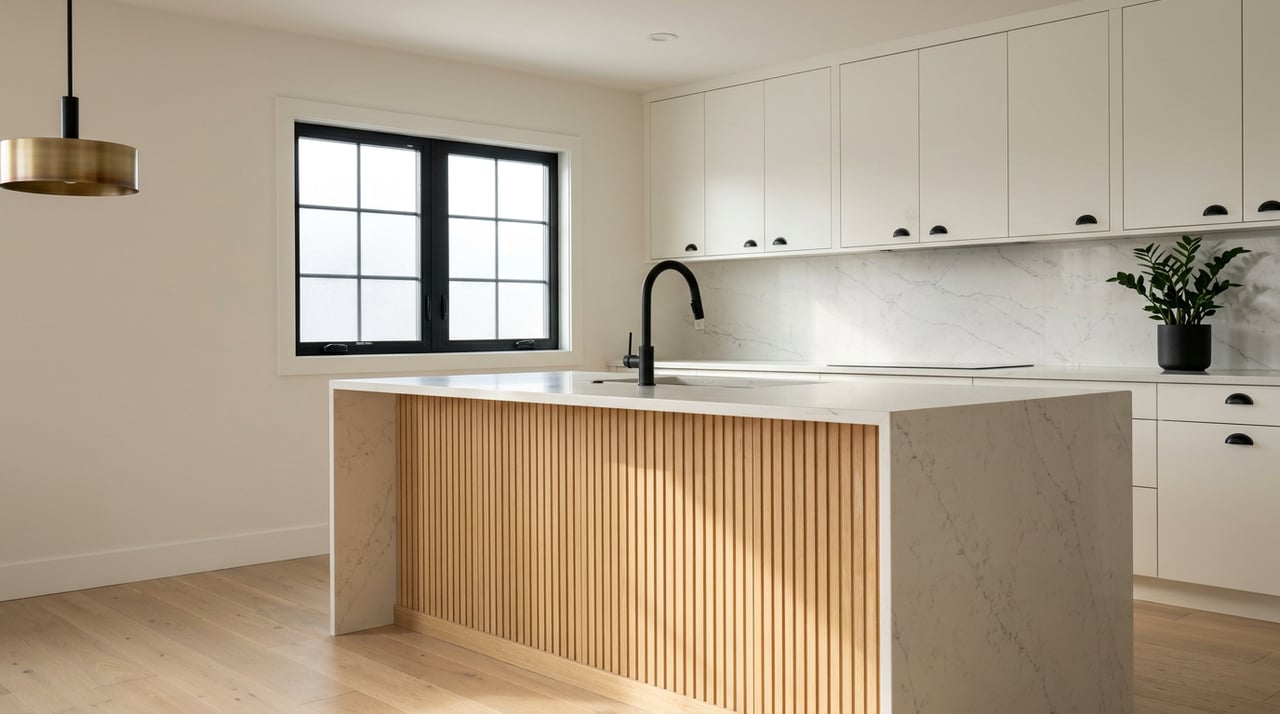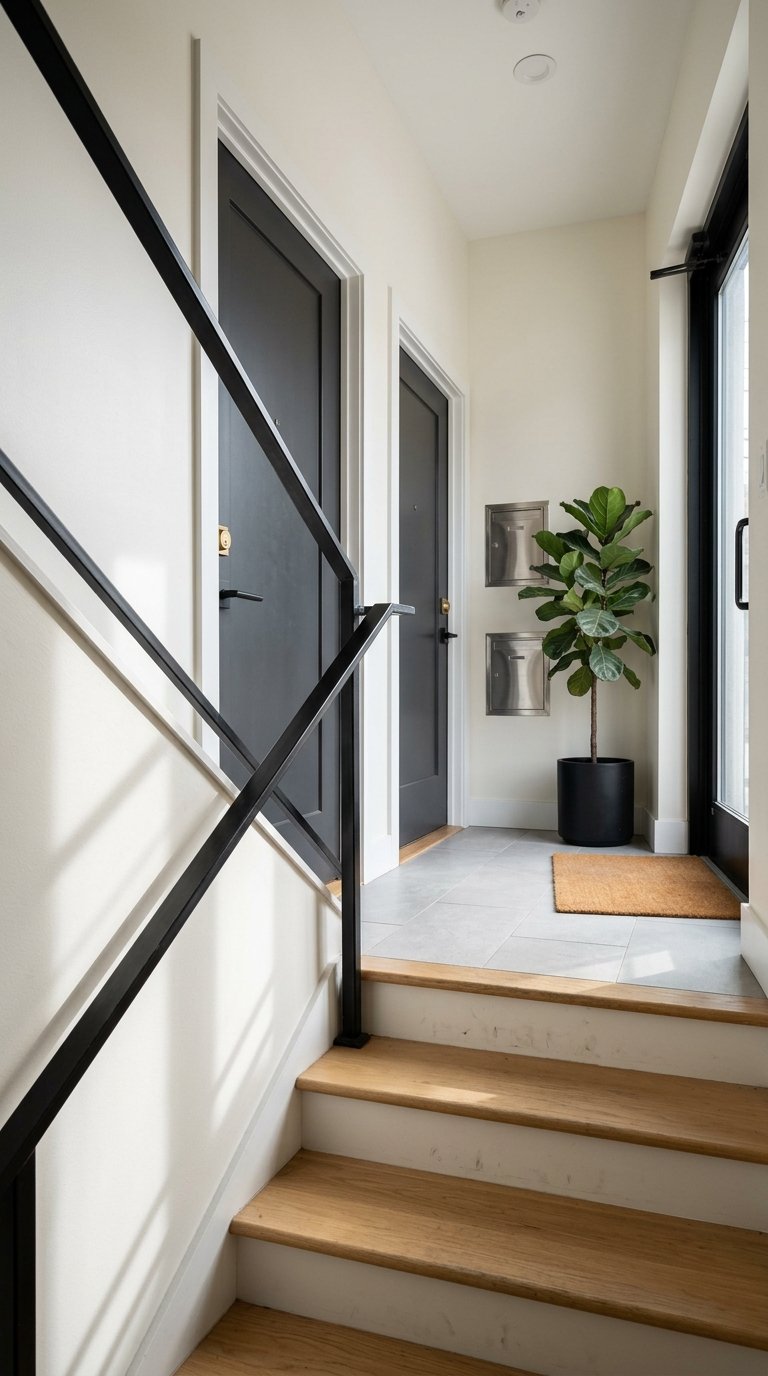
If Boston rent prices make homeownership feel out of reach, house hacking can give you another path. Buying a two-family, three-family, or small four-unit property and living in one unit lets you use rent from the other units to help offset your monthly housing cost. In a city with a deep supply of small multi-family buildings and strong public data, you can make a smarter decision if you know what to check before you buy. Let’s dive in.
What house hacking means in Boston
House hacking usually means you buy a property with multiple units, move into one of them as your primary residence, and rent out the others. In Boston, that often points buyers toward two-family and three-family homes, since those property types are part of the city’s residential housing mix.
Boston is a useful market for this strategy because the city has more than 183,000 assessed properties and publishes parcel-level property tools. That gives you a way to verify details with public records instead of relying only on listing descriptions.
Why Boston can work well
Boston’s small multi-family housing stock creates real opportunity for owner-occupant buyers. If you can qualify for the purchase and you are comfortable taking on landlord responsibilities, a multi-family can help you build equity while lowering your out-of-pocket housing expense.
The other advantage is access to public information. Boston publishes property assessment data, property record cards, and annual sales reports for two-family and three-family properties. That makes it easier to research a deal with local facts.
Start with the property records
Before you get attached to a listing, confirm what the building actually is. Boston’s property lookup tools and property record cards can help you verify the parcel, building style, and assessed characteristics.
This matters because unit count, square footage, and property type affect value, financing, and rental assumptions. In Boston, those details can change quickly from one block to the next, so a public-record check is a smart first step.
What to verify first
- Parcel and address match
- Property type, such as two-family or three-family
- Assessed characteristics listed on the record card
- Building style and living area
- Any obvious mismatch between public records and the listing remarks
Use Boston sales reports for comps
Boston publishes annual sales reports for two-family and three-family properties. These reports are organized by ward and street address and include sale date, sale price, living area, price per square foot, and building style.
For a house hack, those reports can help you build a realistic price range. They are not a replacement for a full market analysis, but they are a strong public-data starting point when you want to understand how similar buildings have traded.
What good comps can tell you
When you review two-family or three-family sales, focus on the basics first. Compare similar property types, similar size, and similar locations rather than grabbing the highest or lowest sale you see.
Look for patterns in price per square foot, overall condition, and layout. That can help you see whether a property looks fairly priced or whether the numbers depend too much on best-case rental assumptions.
Estimate rent the right way
Rent is the core of any house-hack analysis, but it is also where buyers can get too optimistic. Boston’s citywide median gross rent was $2,147 in the Census Bureau’s 2020 to 2024 QuickFacts data, which can give you broad context.
HUD’s FY2026 fair market rent schedule for the Boston-Cambridge-Quincy area gives another benchmark. It lists gross rents of $2,359 for a studio, $2,476 for a one-bedroom, $2,941 for a two-bedroom, $3,526 for a three-bedroom, and $3,894 for a four-bedroom.
Those figures are useful for setting a rough range, but they are not a substitute for unit-specific rent comps. In Boston, final rent estimates should come from comparable local leases or an appraiser’s rent schedule because building type, condition, and block-level location can shift rents meaningfully.
A simple rent-check process
- Start with the citywide median gross rent for context
- Compare the unit size to Boston-area fair market rent benchmarks
- Review recent local lease comps for similar units
- Ask how utilities affect the true gross rent picture
- Use the appraiser’s rent schedule or lender-accepted documentation for the final underwriting number
Know how lenders view the income
For most buyers, house hacking works only if the lender can count rental income from the other units. The key point is simple: if you buy as an owner-occupant, you need to live in one unit, and the rental support comes from the non-owner-occupied units, not the one you occupy.
Fannie Mae says lenders must document subject-property rents for all two- to four-unit principal residence properties. Depending on the loan and transaction, that can come from the appraisal report, a comparable rent schedule, or a signed lease.
FHA and conventional basics
FHA financing is available for one- to four-unit owner-occupied principal residences, and HUD says the down payment can be as low as 3.5%. Conventional financing can also work for one- to four-unit properties, and Fannie Mae says two- to four-unit principal residences generally require a 5% minimum borrower contribution from the borrower’s own funds, with limited lower-contribution cases when the loan-to-value ratio is 80% or less.
In plain terms, both loan paths can work for a Boston multi-family house hack. The right fit depends on your income, savings, credit profile, and how the lender documents the rent.
Underwrite the deal conservatively
A Boston house hack should make sense on paper before you factor in future upside. That means you should stress-test the numbers using realistic rent, expected operating costs, and a payment you can still handle if a unit sits vacant for a period.
Boston’s own assessing methodology is a good reminder here. When the city uses the income approach, it considers rental income, occupancy rates, and operating costs. You should think the same way when reviewing a property.
Costs buyers often underestimate
- Repairs and maintenance on an older building
- Vacancy between tenants
- Utility costs that may be included in rent
- Insurance and property taxes
- Lead compliance costs in older housing
- Move-in and turnover expenses
Understand Boston rules after closing
Buying the property is only the first step. Once you rent the other units, you also take on landlord responsibilities under Boston and Massachusetts rules.
Boston requires rental property owners to register with the city every year by July 1. The city says the rule applies even if the property is vacant, under renovation, or not currently collecting rent, and failure to register can lead to a $300 monthly penalty until you comply.
Rental registration and inspection rules
Boston says rental properties are inspected at least once every five years. There is an important owner-occupant exception for house hackers: buildings with six or fewer units are exempt from the inspection requirement if the owner lives in one of the units.
That exemption can make owner-occupied multi-families especially attractive, but it does not remove your other responsibilities as a landlord. You still need to understand your obligations before you close.
Do not overlook the residential exemption
If you live in the property as your principal residence, Boston’s residential exemption may help lower your tax bill. For FY2026, Boston says the residential exemption saved qualified homeowners up to $4,353.74.
That benefit can materially improve the math on a house hack. It is one of the reasons owner-occupant multi-family ownership can look very different from buying a purely investment property.
Boston’s older housing means lead matters
Many of Boston’s smaller multi-family homes were built before 1978, so lead paint rules deserve serious attention. Massachusetts requires sellers, real estate agents, and landlords to notify buyers and tenants of lead risks when homes built before 1978 are sold or rented.
Massachusetts also states that property owners must abate lead paint hazards in rental units occupied by a child under age six. If you are considering an older building, this should be part of your budget and due diligence from day one.
Plan for deposits and move-in paperwork
Once you become a landlord, the paperwork matters. Massachusetts says landlords must provide a written receipt for the security deposit and a statement of condition within 10 days.
The state also notes that if the building is sold, the security deposit transfers to the new owner. And as of August 1, 2025, Massachusetts changed broker-fee rules so that if the landlord hires the broker, the landlord generally pays that fee rather than the tenant.
A practical Boston house-hack checklist
If you want to evaluate a Boston multi-family with discipline, keep your process simple and local.
- Verify the parcel, unit count, and assessed characteristics in Boston’s property tools
- Review Boston two-family or three-family sales reports for comp support
- Build a rent range using local lease comps and lender-accepted documentation
- Confirm owner-occupant financing options with your lender
- Stress-test the payment using vacancy and operating-cost assumptions
- Check rental registration requirements before closing
- Review whether the owner-occupant inspection exemption may apply
- Ask about the residential exemption if the property will be your principal residence
- Investigate lead paint risk in pre-1978 housing
- Prepare for deposit handling and other landlord paperwork immediately after closing
Why local guidance matters
House hacking in Boston is not just about finding a building with extra units. It is about understanding how public records, financing rules, rent documentation, taxes, and landlord compliance all fit together.
That is where strong local guidance can save you time and reduce mistakes. The right strategy is not always the building with the biggest projected rent. It is the one that holds up under real-world Boston numbers and the rules you will need to follow after closing.
If you are thinking about buying a Boston multi-family and want help sorting through property data, comparable sales, and the owner-occupant path, connect with Zander Realty Group for local, data-driven guidance.
FAQs
What is house hacking in a Boston multi-family?
- House hacking in a Boston multi-family usually means buying a two- to four-unit property, living in one unit as your primary residence, and renting the other units to help offset your housing costs.
How can Boston buyers research a multi-family property?
- Boston buyers can use the city’s property lookup tools, property record cards, and annual two-family and three-family sales reports to verify property details and review public comp data.
Can rental income help you qualify for a Boston house hack?
- Yes. For an owner-occupied two- to four-unit property, lenders may consider rent from the non-owner-occupied units, but they will want documented rent support such as an appraisal-based rent schedule or signed leases when applicable.
What financing options can work for a Boston house hack?
- FHA and conventional financing can both work for owner-occupied one- to four-unit properties, but the occupancy rules, down payment requirements, and rent documentation standards can differ by loan program and lender.
Does Boston require rental property registration?
- Yes. Boston says rental property owners must register every year by July 1, even if the property is vacant, under renovation, or not currently collecting rent.
Is there a Boston tax benefit for owner-occupied multi-families?
- Potentially. If the property is your principal residence, you may qualify for Boston’s residential exemption, which saved eligible homeowners up to $4,353.74 in FY2026.
Why should Boston house hackers care about lead paint rules?
- Many Boston multi-family homes are older, and Massachusetts requires lead risk notification for pre-1978 homes that are sold or rented. Owners also have lead hazard obligations in rental units occupied by a child under age six.